By Mike Saxton, Shaw Nature Reserve, Missouri Botanical Garden

Combatting woody encroachment continues to be a challenge for Midwestern land managers. Whether it’s sumac in prairies, honeysuckle in the woodlands, or willows in our wetlands, brushy thickets drive down native biodiversity and bedevil our efforts to best manage the land. Cutting and treating is effective but laborious, resource intensive, and often fails to meet the scale of the problem. Foliar spraying/basal barking can be effective but collateral damage, especially in high quality areas, is often outside our range of tolerance.
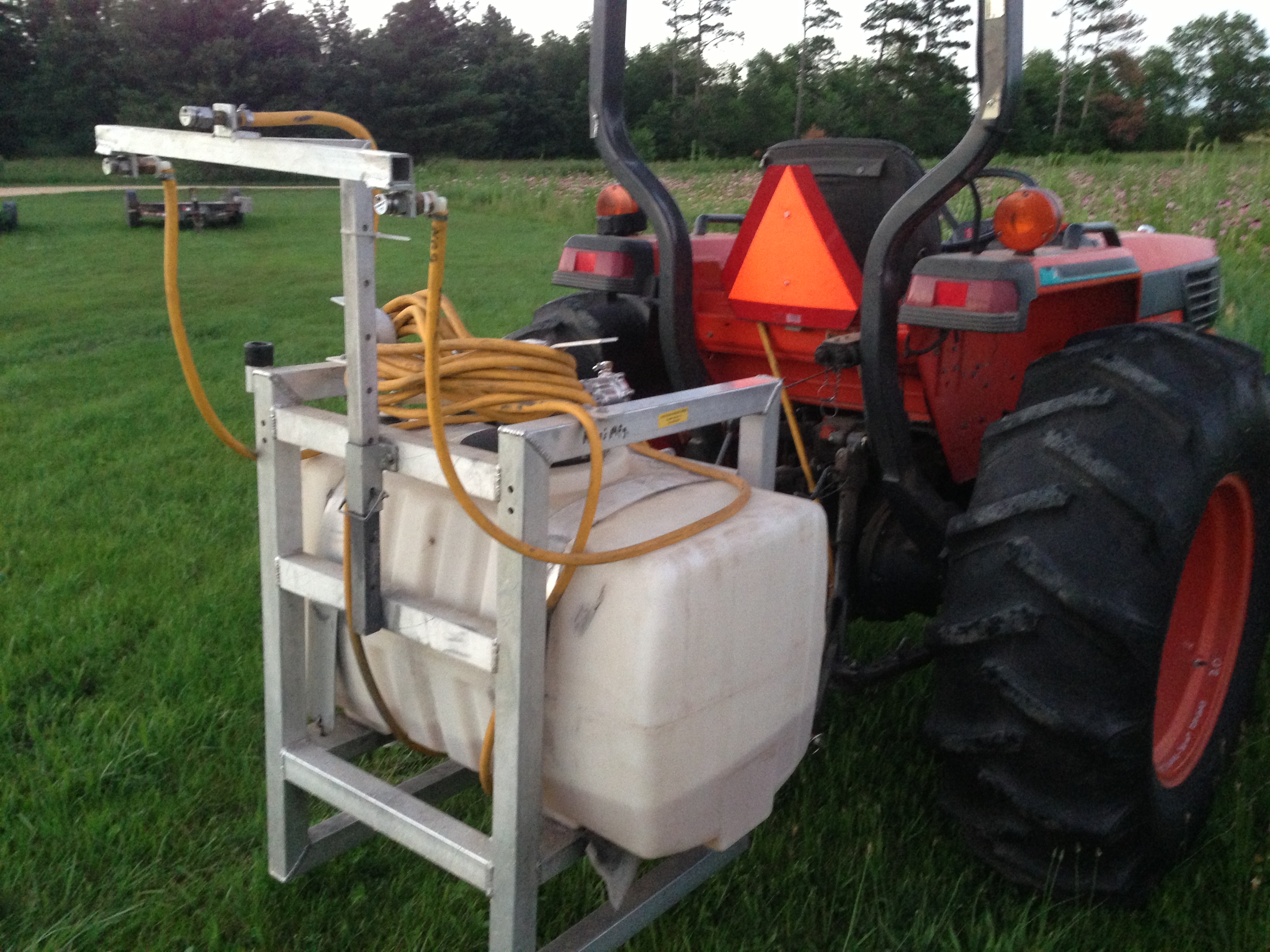
Here at Shaw Nature Reserve (Missouri Botanical Garden site – 35 west of St. Louis), I have used this weed wiper / weed roller for a couple of field seasons to combat shingle oak Quercus imbricaria, border privet – Ligustrum obtusifolium and a few other randoms including sumac, autumn olive and Lonicera.

Our wiper is 10ft wide and we mount on a Ford 3930. The tires are ~2ft wide and there is something like 3ft between the tires, leaving 18in on each side of the tires. The glyphosate label says to use a 33% v/v solution with 10% v/v surfactant for a wiper application. (label excerpt at bottom of post)

Roller is controlled by tractor hydraulics. Sprayer is an electric pump with powerful magnet holding the spray button, operated from tractor cab.
The implement is sturdy, nice welds, good construction. If it was any wider, it’d be too wide. I wouldn’t be able to nimbly slalom between desirable trees and other hazards. When you go through topographic areas or ditches, you have to watch that the roller doesn’t hit the ground. Dirt isn’t good for it and it’ll also will kill whatever vegetation it hits. If it was any smaller…it would take forever and if it was smaller, too much of the total length would be taken up by tire width. A challenge is that you have to go fairly slowly in order to roll enough herbicide onto the stems…so the slow speed is a challenge.
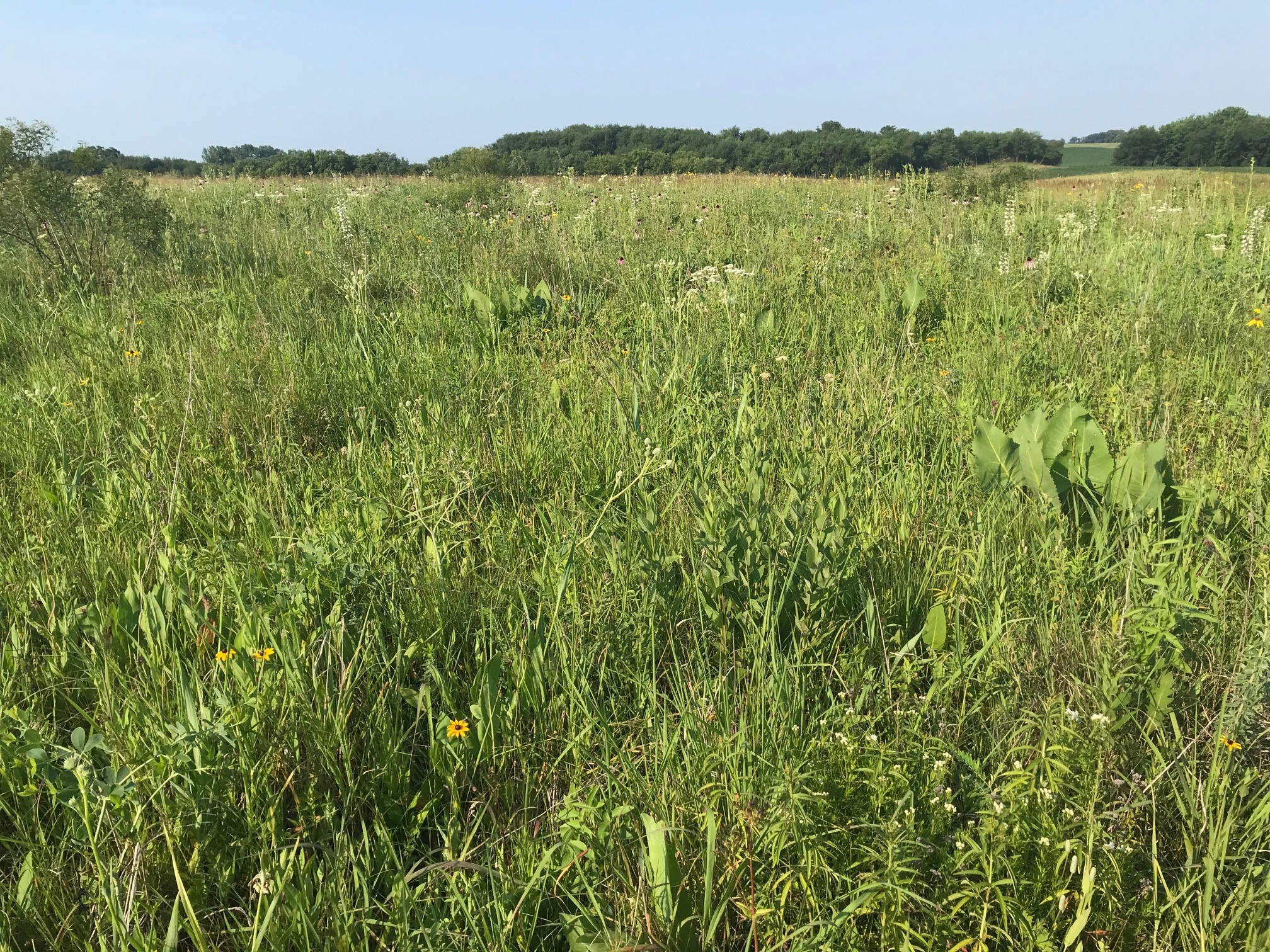
The biggest issue for us has been timing. There seems to be a 3-4 week window in the spring where the woodies are sufficiently leafed out and when the native vegetation considerably shorter than the woodies. You want to set the wiper height just above the native vegetation to ensure that you hit as much of the woodies as possible.

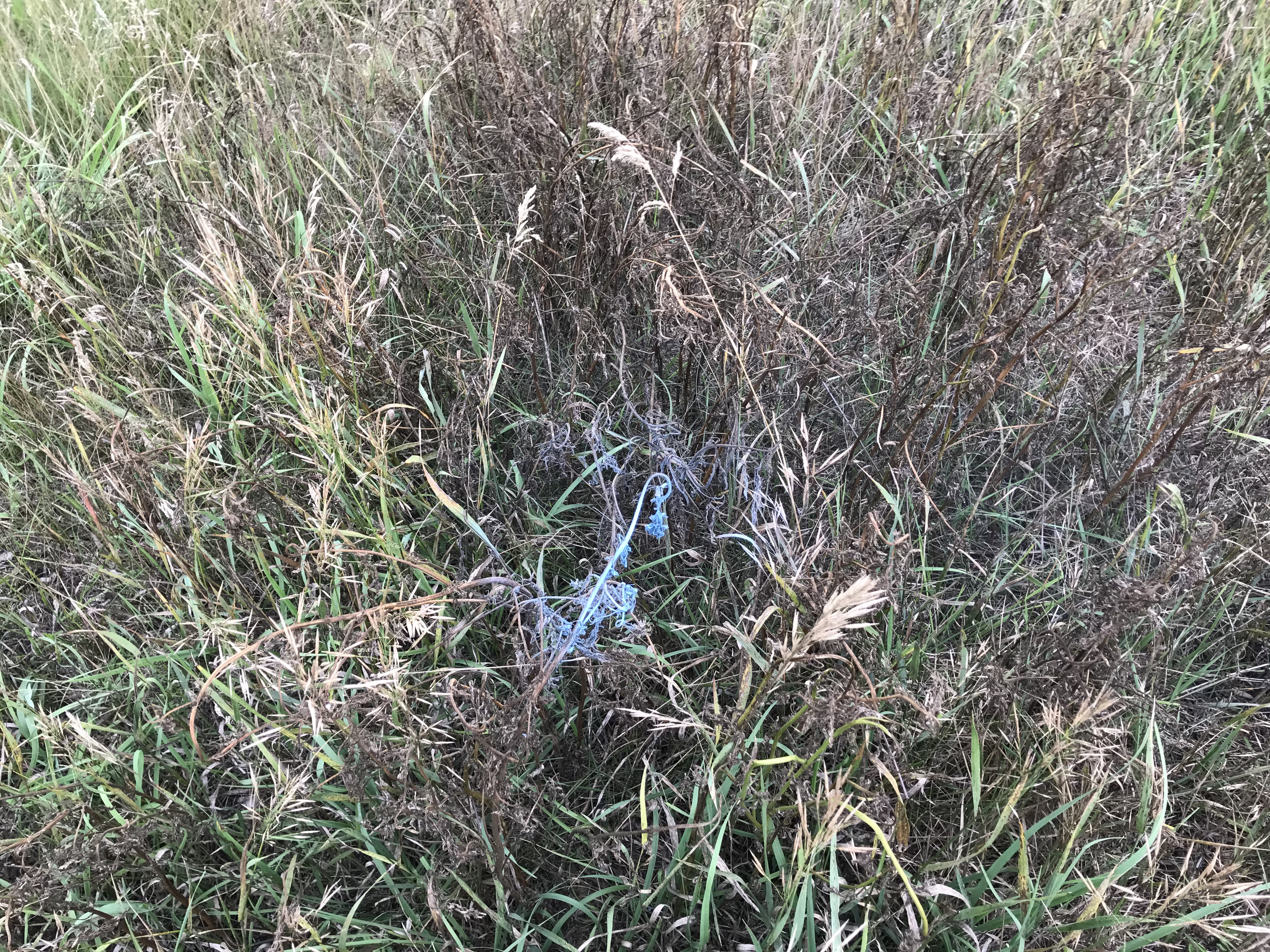
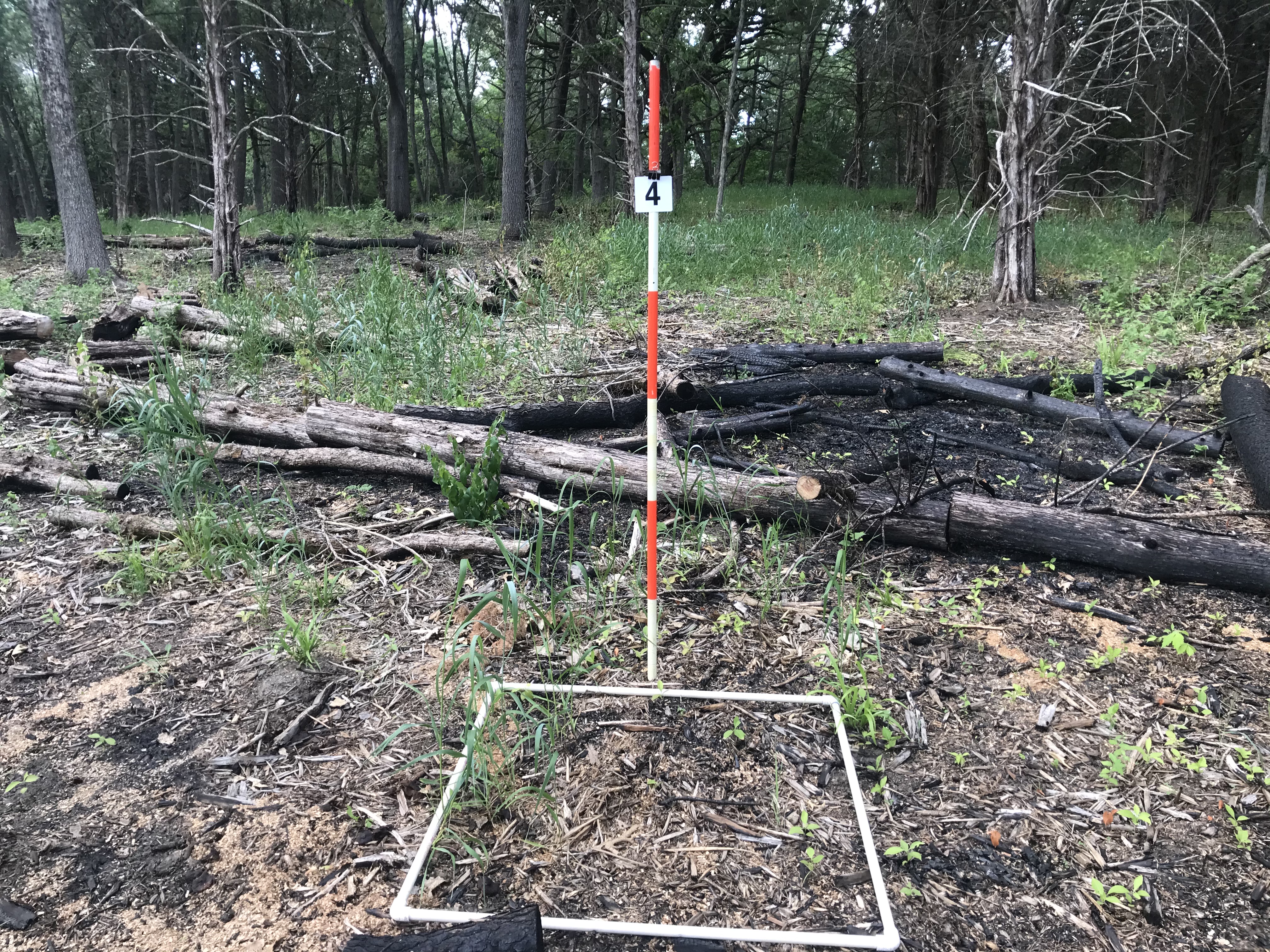
Above: shingle oaks in a prairie planting. Treated on 5.26.21. Picture from 6.8.21. I flagged 4 of the browned oaks and checked 8.23.21 with no signs of life.
The short shrubs, especially sumac, springs right back up after the tractor rolls over it, even when the tires roll over them. The wiper makes good contact. The taller woodies do not spring back up as well.

The manual does recommend that you make a pass in one direction and a pass in the other direction. I don’t always have time for a two-direction application. The owner of Weed Works told me that when you stop turning the roller, if it drips within 2 seconds, you’re over saturated. If it takes more than 8 seconds to start dripping, you’re not wet enough. It usually takes me about 1.5hrs to go through 5 gallons.
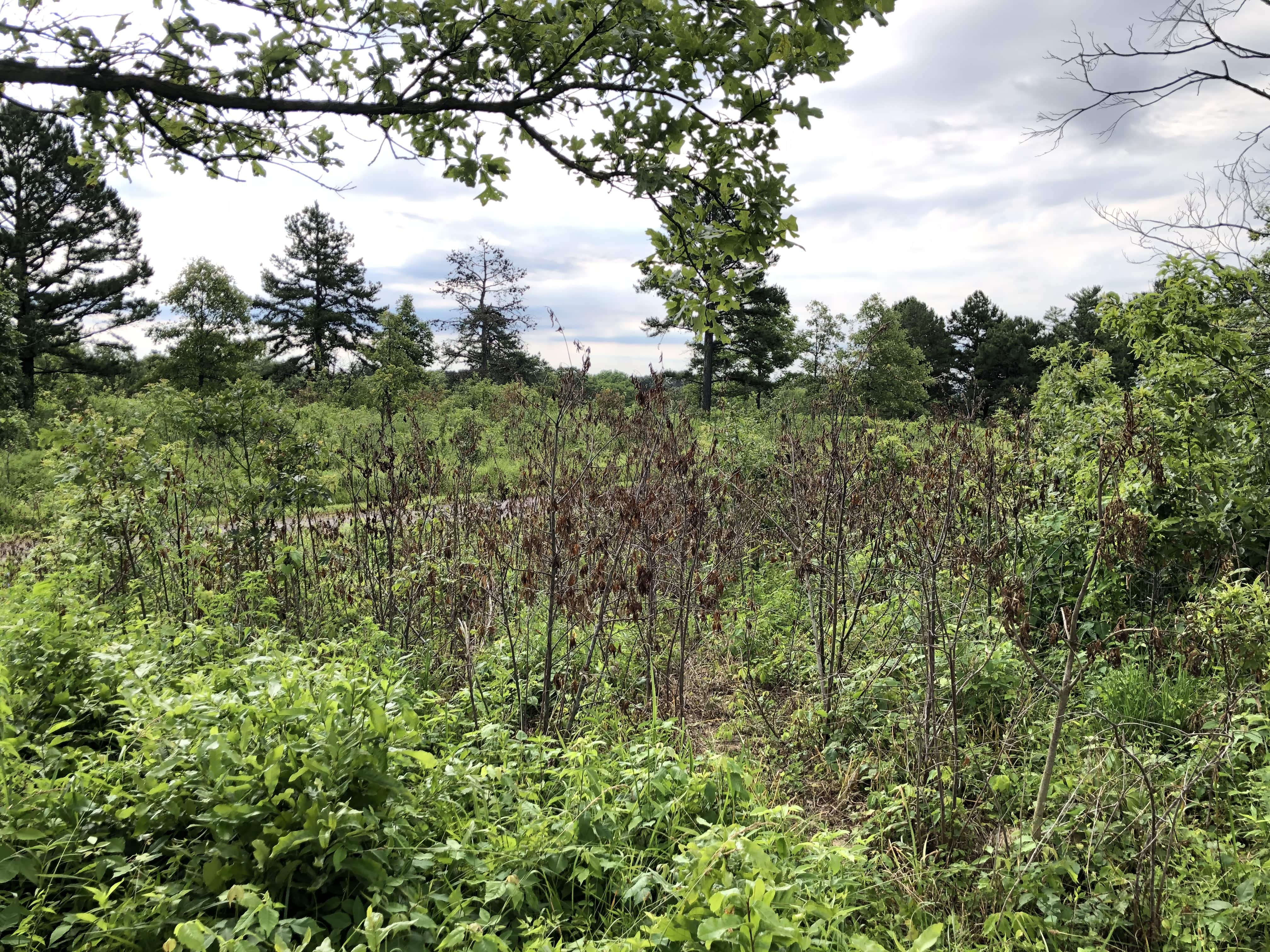
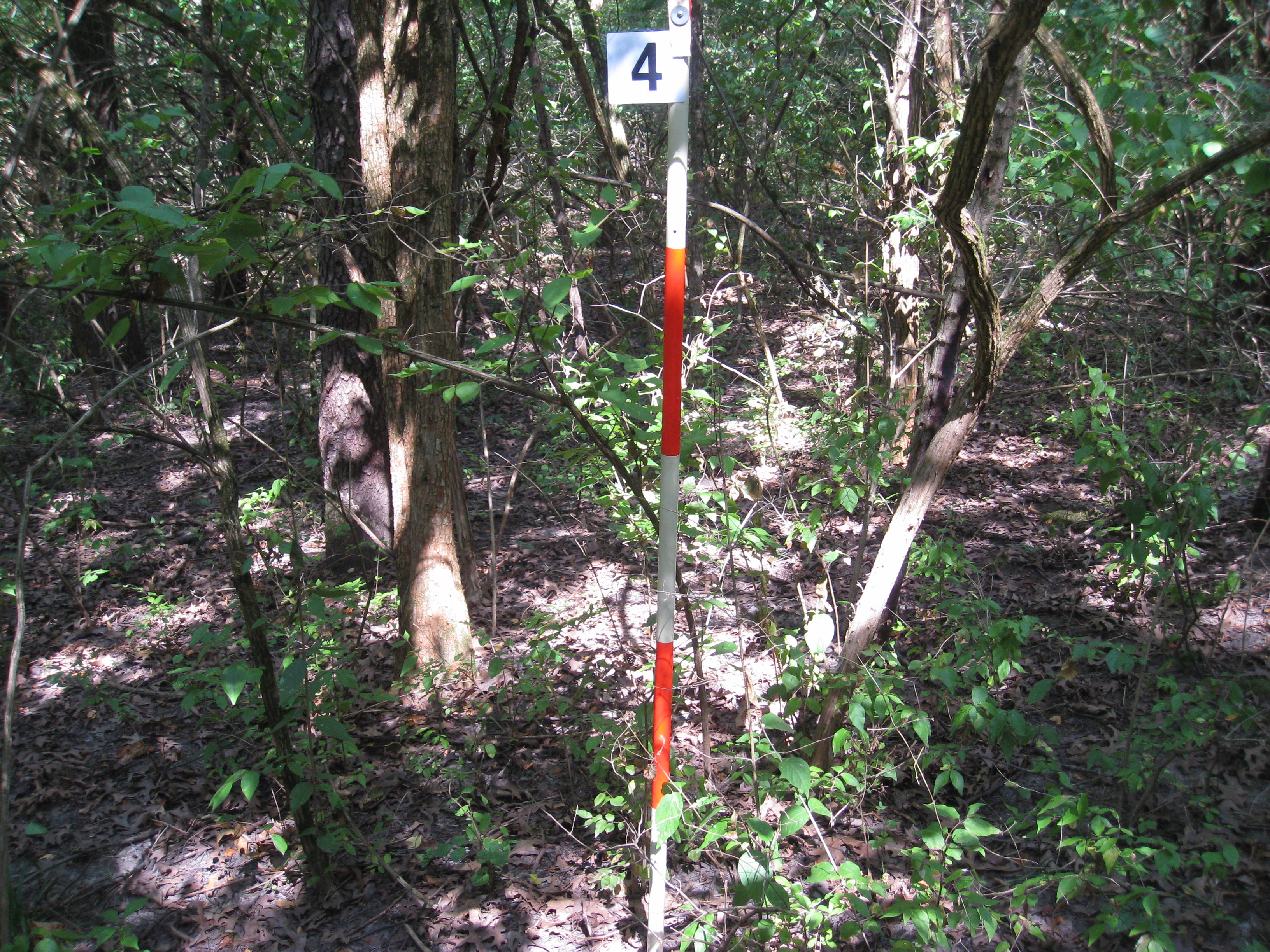
Above is a photo from 3-weeks post treatment of 6-7ft tall shingle oaks. They are thumb size diameter. These woodies have been mowed for decades…literally. So I worried that they have a massive root system and I could just top killing them or not give them enough herbicide to effectively kill them. 1-year post treatment, the trees are crispy dead, no signs of resprout.
I know that it won’t be a silver bullet for us…but coupling fire, foliar spraying, basal barking, weed wiper, mowing…I hope to turn the tide against the woodies.
Wiper Applicators and Sponge Bars
Wiper applicators are devices that physically wipe appropriate amounts of this product directly onto the weed. Equipment must be designed, maintained and operated to prevent the herbicide solution from contacting desirable vegetation. Operate this equipment at ground speeds no greater than 5 miles per hour. Performance may be improved by reducing speed in areas of heavy weed infestations to ensure adequate wiper saturation. Better results may be obtained if 2 applications are made in opposite directions. Avoid leakage or dripping onto desirable vegetation. Adjust height of applicator to ensure adequate contact with weeds. Keep wiping surfaces clean. Be aware that, on sloping ground, the herbicide solution may migrate, causing dripping on the lower end and drying of the wicks on the upper end of a wiper applicator. Do not use wiper equipment when weeds are wet. Mix only the amount of solution to be used during a 1-day period, as reduced activity may result from the use of leftover solutions. Clean wiper parts immediately after using this product by thoroughly flushing with water. Nonionic surfactant at a rate of 10 percent by volume of total herbicide solution is recommended with all wiper applications. Solutions ranging from 33 to 75 percent of this product in water may be used.