By: Clara Barton
Key Takeaways:
- All three herbicide treatments tested resulted in complete mortality of treated Dahurian lespedeza plants within one month.
- Garlon 3A (triclopyr) produced the fastest visible response, with plants appearing dead within one week.
- Journey (imazapic) also acted quickly and was highly effective with long lasting residual properties, but impacted non-target plants.
- Milestone (aminopyralid) controlled Dahurian lespedeza successfully but acted more slowly than the other treatments.
Background
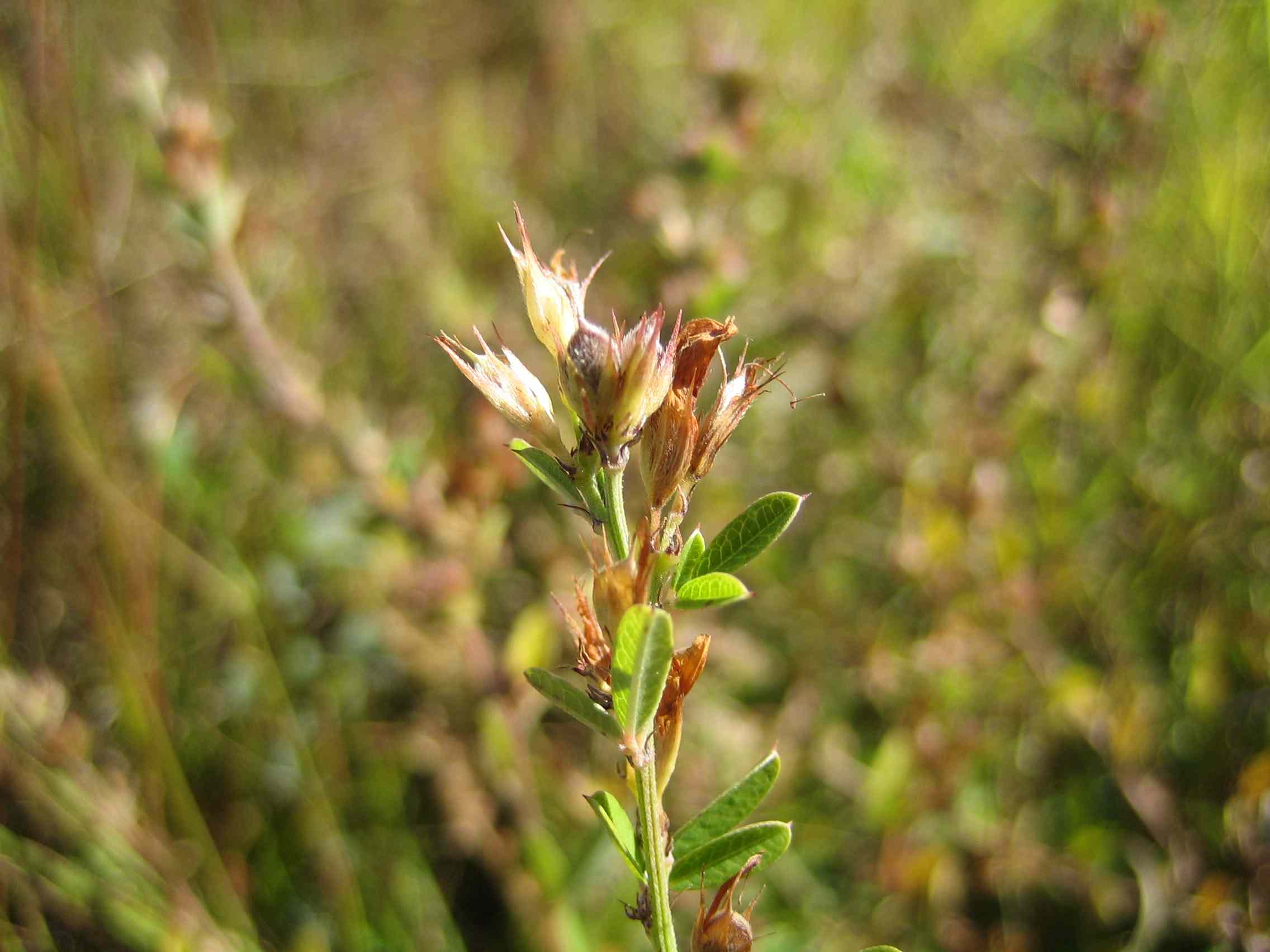
Dahurian lespedeza (Lespedeza durica) is a perennial legume native to eastern Asia that was accidentally introduced to Nachusa Grasslands through a purchased seed mix. More on that here: Beware what seed you buy | grassland restoration network
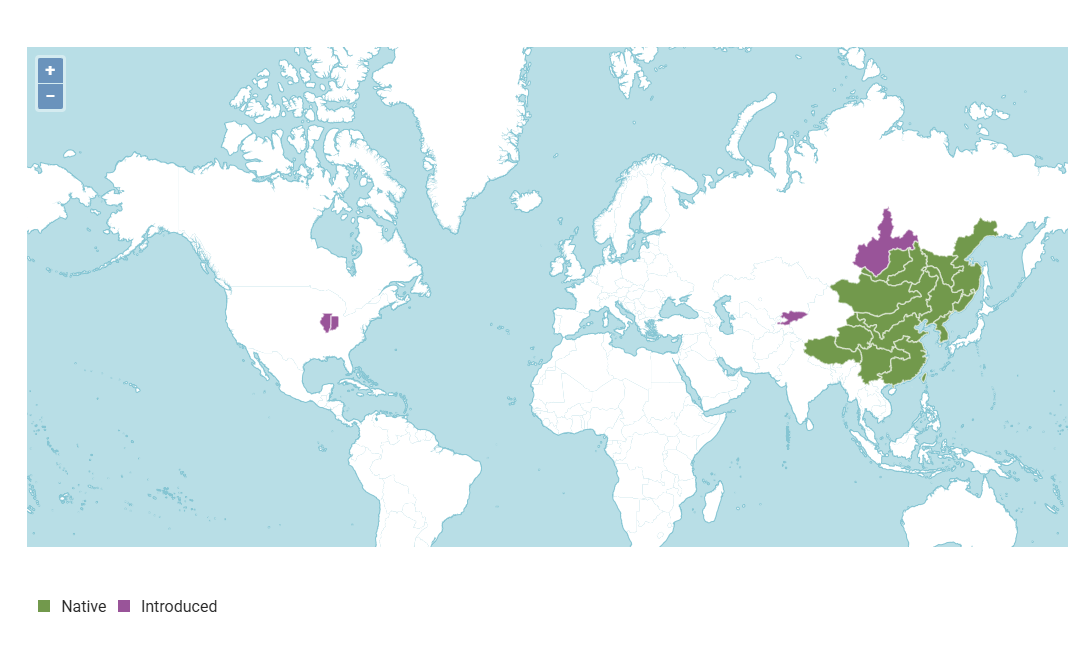
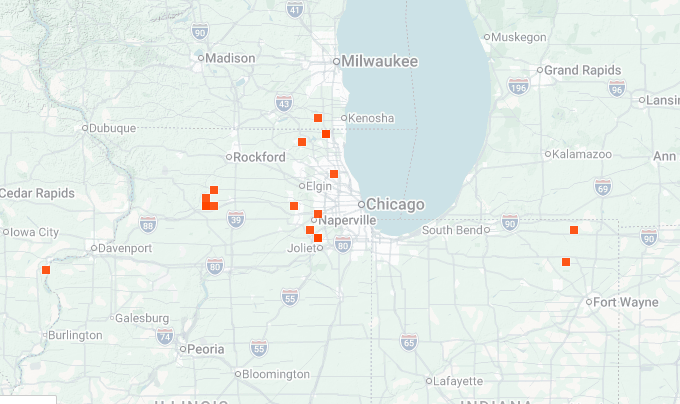
Dahurian lespedeza is currently present in a handful of locations in the United States. While its distribution remains limited today, many invasive plants begin as isolated populations before expanding into new areas. Because of this, there is an opportunity to act early and prevent Dahurian lespedeza from becoming a larger management challenge. Understanding how to effectively control the species now may help prevent future spread both within Nachusa Grasslands and beyond.
For several years, the restoration crew has controlled Dahurian lespedeza using a broad-spectrum herbicide mixture containing, Milestone (aminopyralid) and Garlon 3A (triclopyr), that targets multiple invasive species simultaneously. While the mixture has consistently provided effective control, it was unclear which herbicide was primarily responsible for killing Dahurian lespedeza. To answer that question, we separated two key components of the mix, Milestone and Garlon 3A, and tested them individually. If one herbicide proved responsible for most of the control, future treatments could potentially be simplified without sacrificing effectiveness.
We also included Journey (imazapic) in the trial. Nachusa Project Manager Bill Kleiman had previously used Journey to treat Dahurian lespedeza in the field due to him having nothing else on hand when finding these plants. He observed strong control using Journy in the field, but its performance had never been directly compared to the individual components of the crew’s mixture.
By comparing Milestone, Garlon 3A, and Journey, we aimed to identify which herbicides provide reliable control of Dahurian lespedeza and inform future efforts to prevent its spread.
Experimental Design
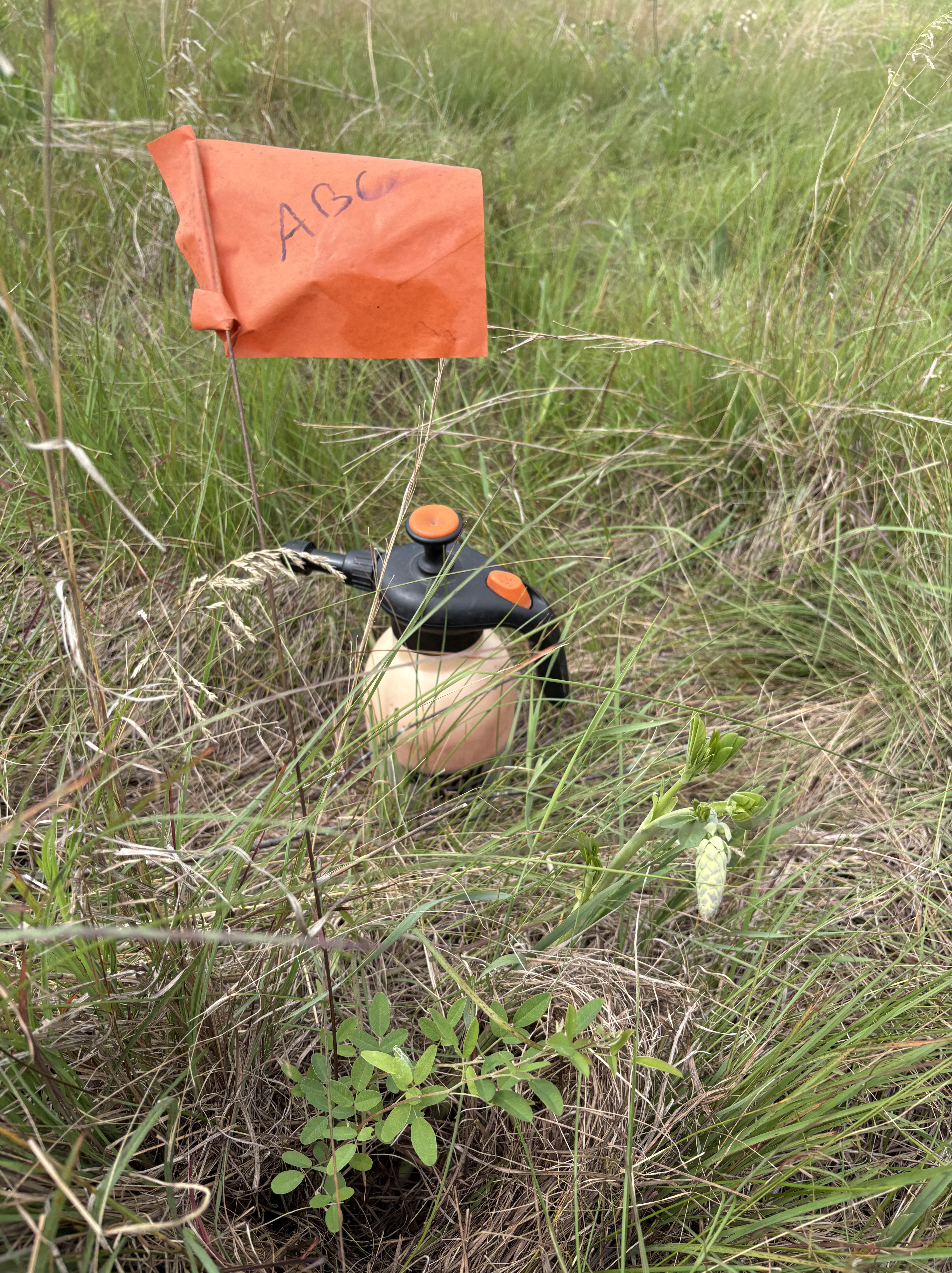
In mid-July, we located and flagged Dahurian lespedeza plants within the study area. 31 plants were assigned to one of three herbicide treatments. Plants were vegetative at the time of treatment. More plants were found after our initial treatment and were treated but not included in this study. This plant can be hard to find and ID here is a blog post that might help: Lespedeza: friend and foe | grassland restoration network
| Group | Treatment |
| 1 | Garlon 3A 1% v/v + 0.5% MSO |
| 2 | Milestone 0.5% v/v + 0.5% MSO |
| 3 | Journey 1.5% v/v + 0.5% MSO |
Results
The week following treatment was characterized by extremely hot weather, which may have accelerated herbicide activity and plant stress. The treatment groups exhibited noticeably different symptoms. Plants treated with Garlon 3A showed the fastest response. Every plant appeared dark brown and dead within one week of treatment. Milestone-treated plants displayed yellowing and wilting. While some green tissue remained, plants were beginning to brown and showed clear signs of decline. Journey produced severe distortion symptoms. Plants were browned, curled, and exhibited rapid injury. Large plants appeared especially susceptible, showing extensive damage within the first week.
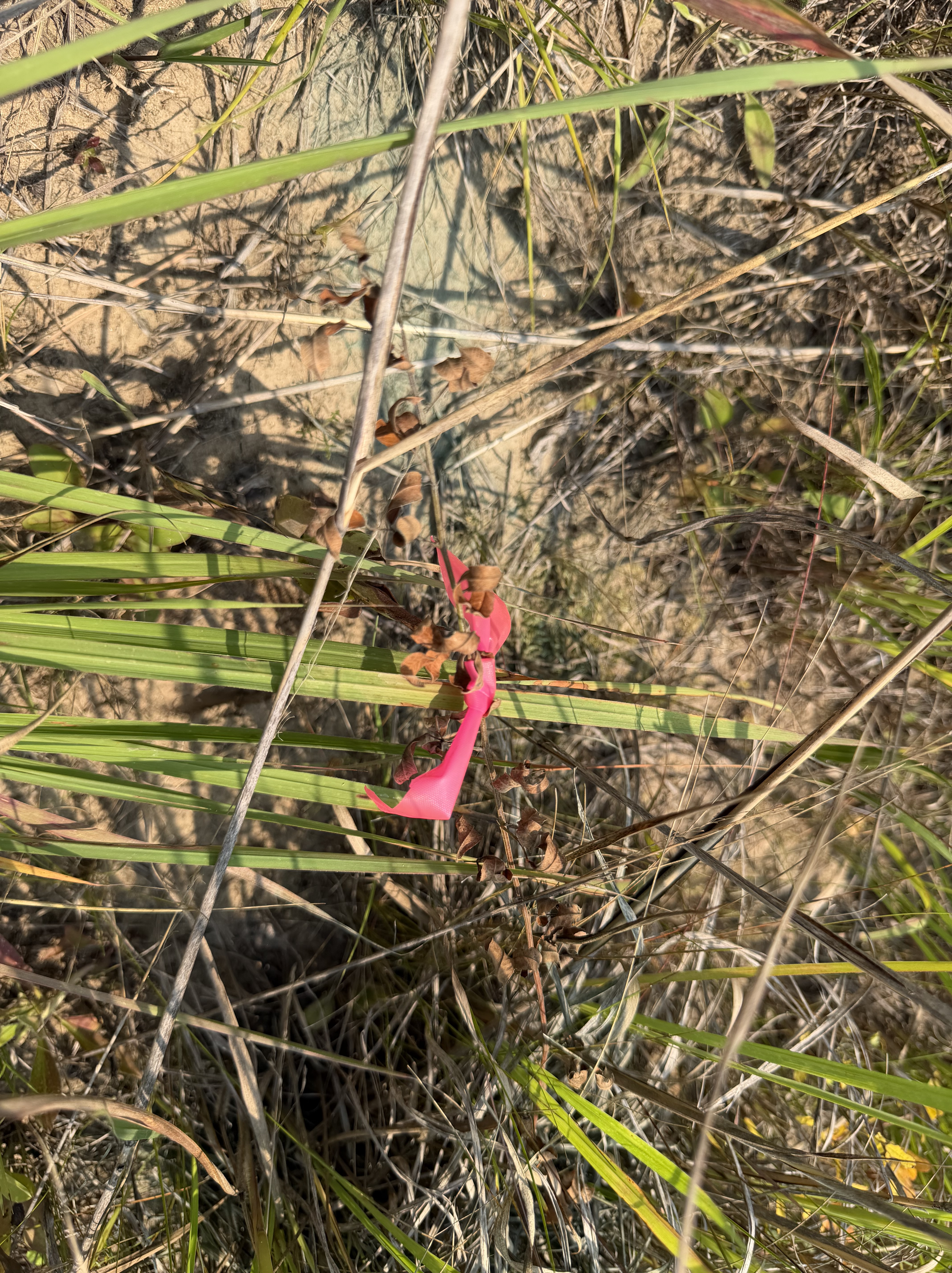
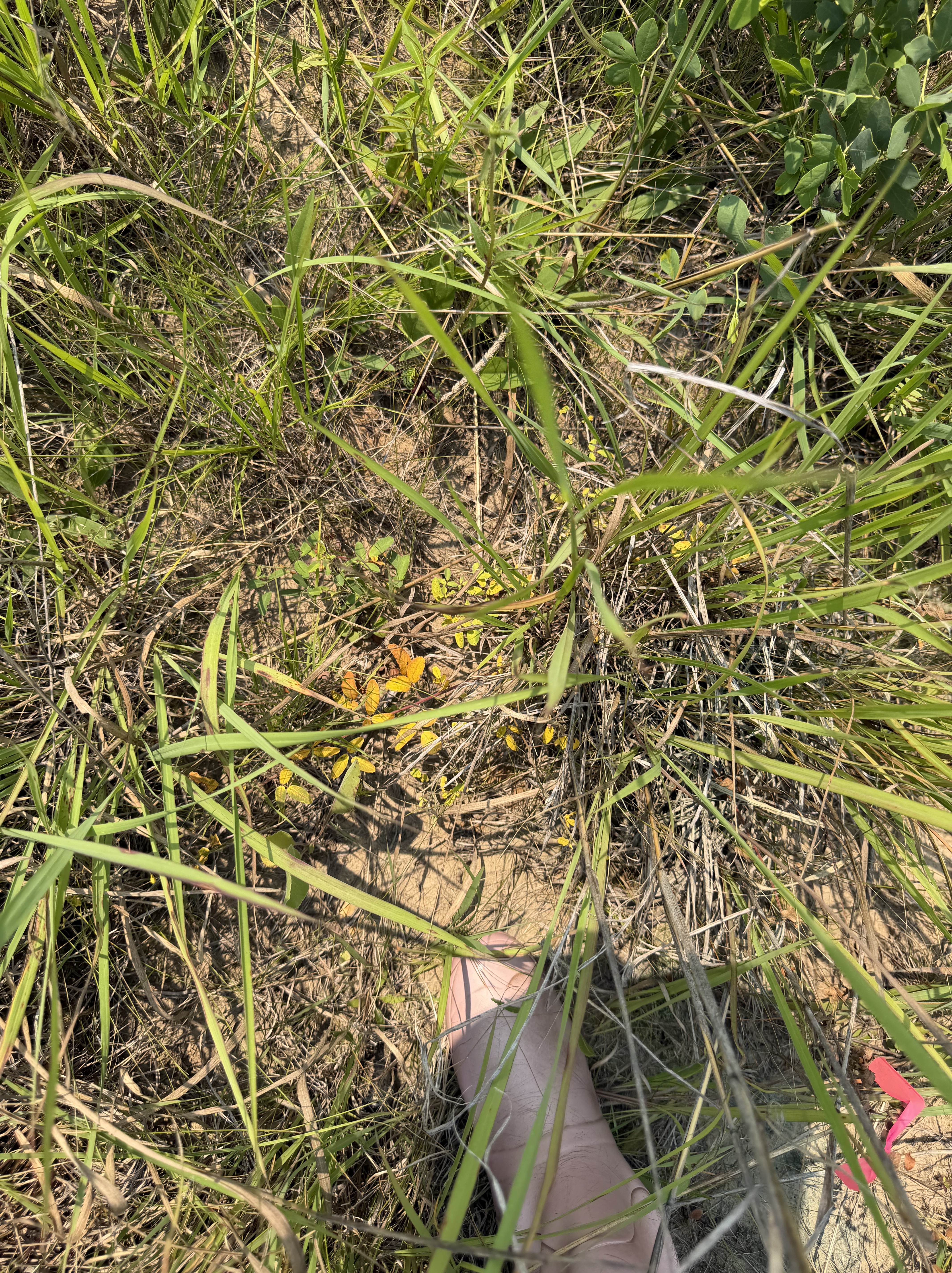
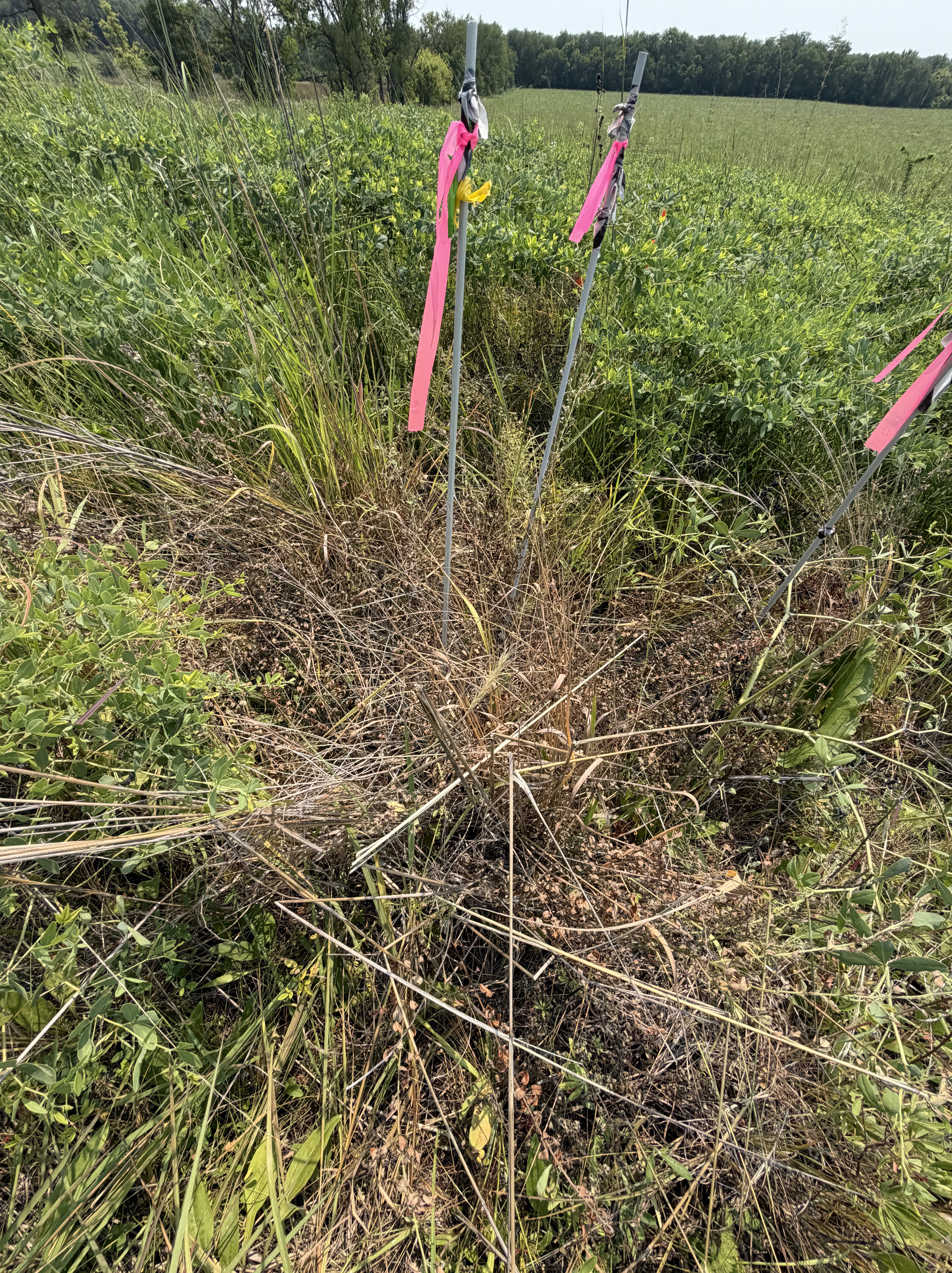
After a month, all marked plants across all three treatment groups were completely brown and dead. While target plant results were identical among treatments, notable differences remained in the amount of collateral vegetation damage observed around treated plants. The Journey treatment group produced the greatest amount of off-target injury, this is not surprising given Journey is a broad-spectrum herbicide. Areas surrounding Journey treated plants showed visibly greater impacts to neighboring vegetation compared to the Milestone and Garlon 3A treatments. The Milestone group eventually reached complete mortality but required more time to do so than either Journey or Garlon 3A. The Garlon 3A plants showed little change between monitoring visits because they had already died rapidly following treatment.
The findings provide useful insight into the performance of the mixture used by the crew. Since both Garlon 3A and Milestone successfully controlled Dahurian lespedeza when applied independently, either herbicide could be contributing substantially to the effectiveness of the mixture. However, the rapid mortality observed in the Garlon 3A treatment suggests that triclopyr may play an especially important role.
Journey also appears to be a highly effective Dahurian lespedeza treatment. However, Journey’s effectiveness came with increased off-target damage. The visible injury to surrounding vegetation suggests caution may be warranted when using Journey in high-quality restoration areas where protecting non-target species is a priority. In the study area we observed bare ground patches from where Journey was sprayed in previous years, indicating longer-lasting effects on germinating or emerging vegetation. Journey isn’t the only herbicide in this experiment to have longer residual activity. Both Milestone and Journey can provide continued suppression of susceptible seedlings after application unlike Garlon 3A, which primarily targets existing plants with relatively limited soil persistence. For Dahurian lespedeza, this residual activity could be beneficial by preventing new plants from establishing from the seed bank. However, the same properties that improve long-term control may also increase the risk of impacts to desirable broadleaf species.
From a management perspective, all three herbicides appear capable of controlling Dahurian lespedeza. Which one is used should be determined based on factors such as surrounding vegetation, estimations of the seedbank density, and the quality of the area being sprayed. While additional testing across multiple sites would be valuable, the results clearly demonstrate that all three herbicides can provide effective control of Dahurian lespedeza.


In southeast Iowa we have had greatest success with Pasturegard (triclopyr + floroxypyr), but with the heavy seed banking of this species it has required a high level of diligence, heavy infestations taking several years to break up. Fire does seem to release seeds in the soil, so be ready for new germination in the years following fire. Thanks for sharing your results!
Thank you for this is very interesting work. We no longer risk the use triclopyr 3A (triclopyr triethylamine) due to the danger of eye-damage from its caustic properties. Has anyone tried using its kinder gentler versions, Vastlan (triclopyr choline) or Garlon 4 Ultra (triclopyr butoxyethyl ester)?
We have a steward who successfully treats Dahurian Lespedeza with Garlon 4 Ultra. I did not include it in my study, however I did notice the plants she treated with it did fully brown and die.