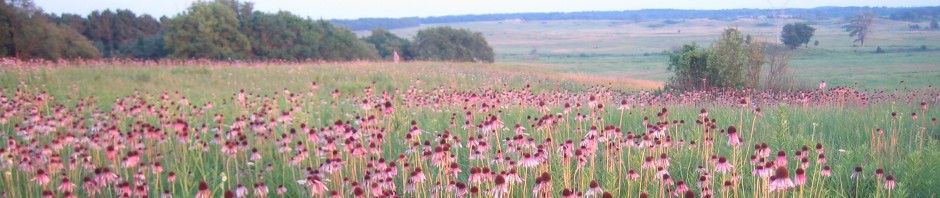
By Bill Kleiman

Daucus carota, Queen Anne’s Lace. Wilhelm and Rericha in Flora of the Chicago Region point out to us that Daucus means carrot. And of course carota means carrot. So a carrot’s carrot. If you dig up the tuber of this plant it does not smell like a tomato.
The authors also point out that Daucus carota is introduced from Eurasia. That Higley and Raddin, way back in 1891, list it as “spontaneous in waste places and old gardens but dying out in three or four years“. That is my point of this short essay! Queen Anne’s Lace is exotic, but not invasive. It is a “decreaser”. It will diminish on its own.
As Tom Vanderpoel explained to Stephen Packard, who told me three decades back; when you see queen anne’s lace you should add seed, not weed it. The plant is not much of a competitor, so when you see a bunch of Daucus carota it means there was some disturbance that simplified that bit of habitat and opened some niche space for queen anne’s lace to exploit for several years.
The photo above is a fallow front yard from a house we demolished several years back. I sprayed some broadleaf herbicide in the yard to kill some lawn weeds. So I made perfect habitat for queen anne’s lace.
Wilhelm and Rericha also state that “It since has become ubiquitous and persistent in waste ground and degraded portions of remnant natural areas. “
A few of our stewards have been known to remove queen annes lace, but this is because they have very little of it, because they have seeded the area and those native plants are starting to dominate, the queen annes lace is decreasing and they want to be rid of it. It is the weeding you do if you no other weed to worry about.
We sometimes will mow a thick patch because someone is asking us to. It is biennial so you can mow it for some effect, or spade it. But perhaps leave it and go pick some seed to plant there.


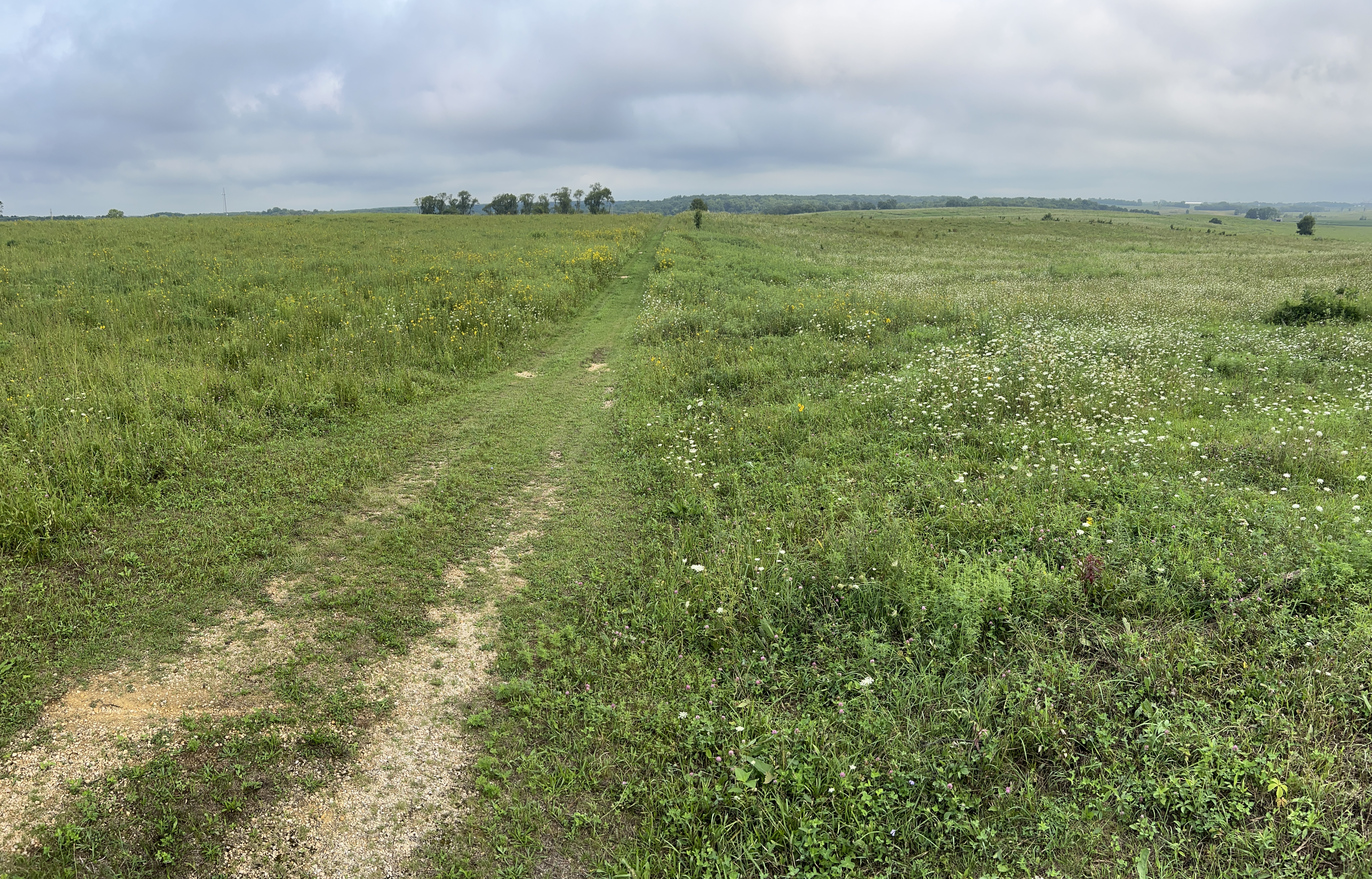
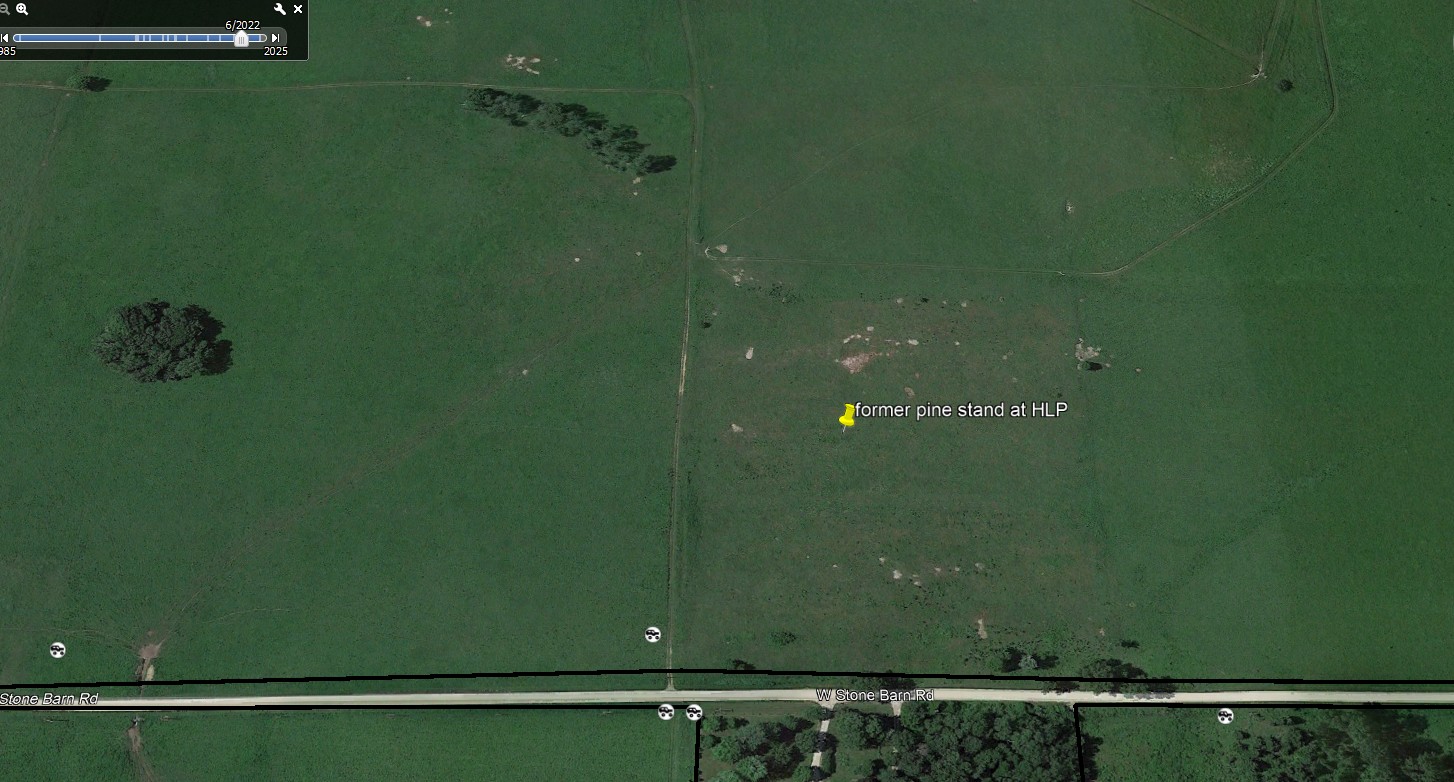
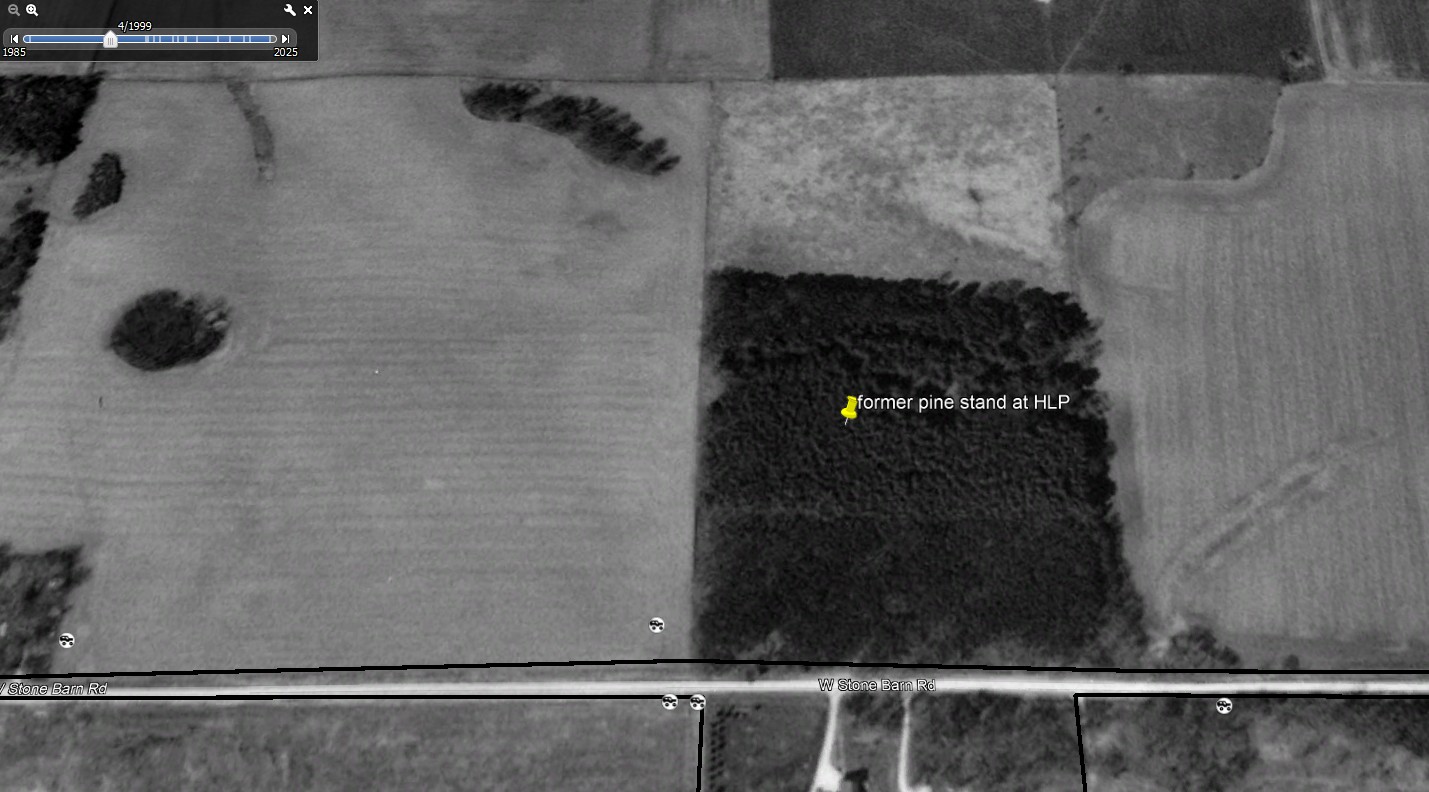
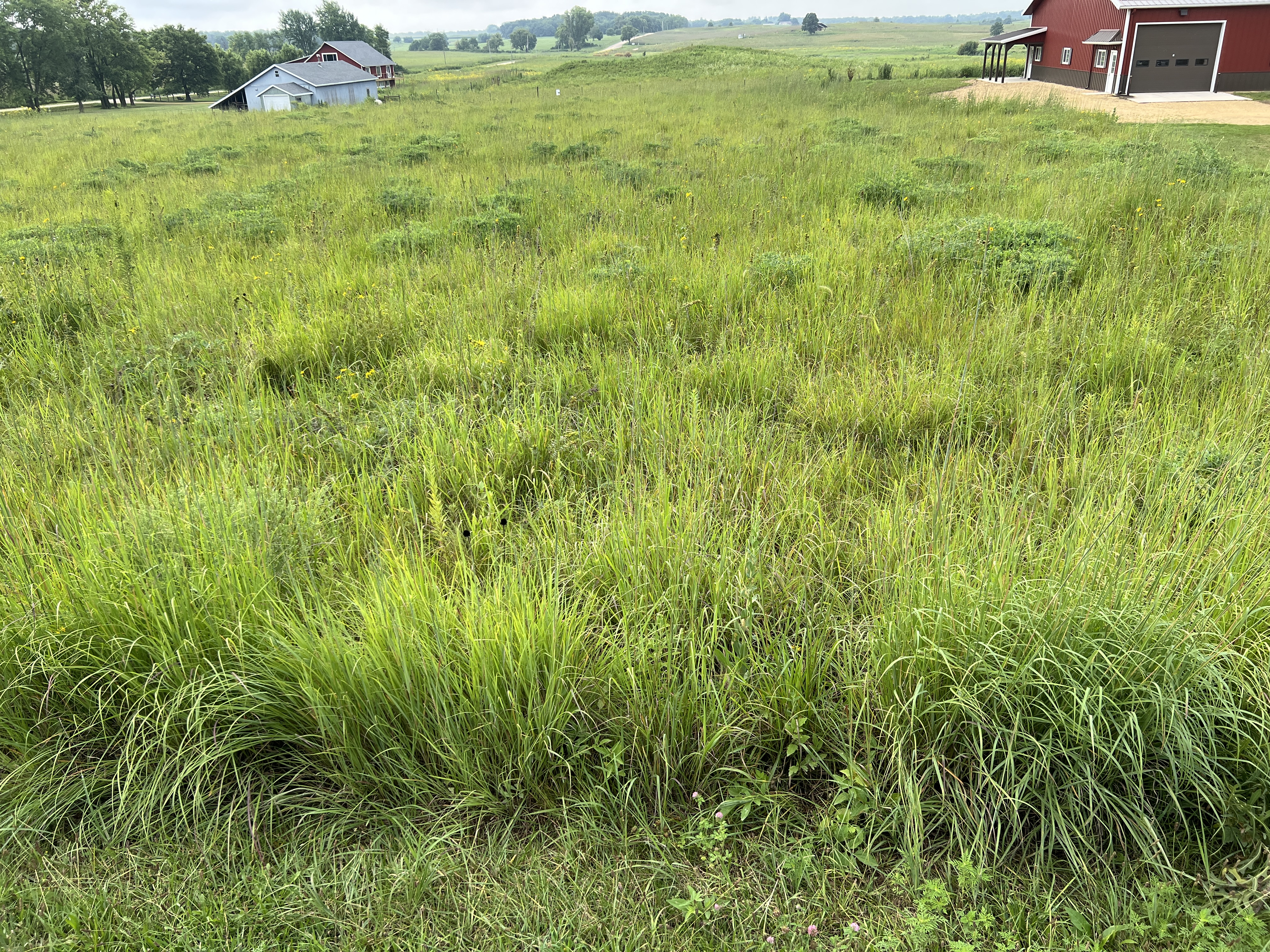
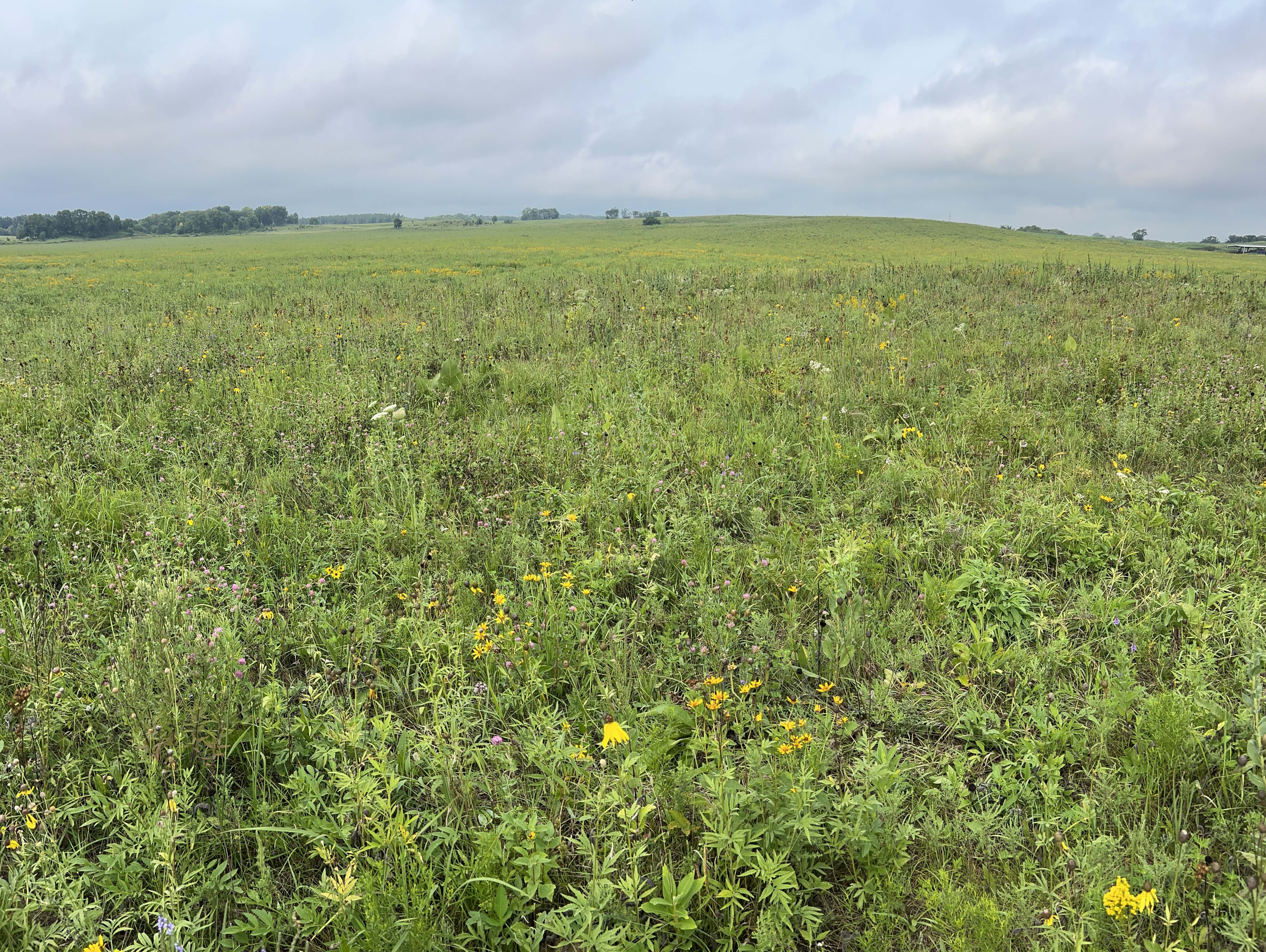
Some photos below with captions give examples of this exotic plant not competing well in prairie.



This was a really interesting read! I’ve always thought of Queen Anne’s Lace as a pervasive weed, so it’s fascinating to learn that while it’s exotic, it’s generally considered “not invasive” in the way some other species are. The distinction you make between exotic and invasive is so crucial, and it’s good to see that emphasized. Thanks for sharing this perspective!