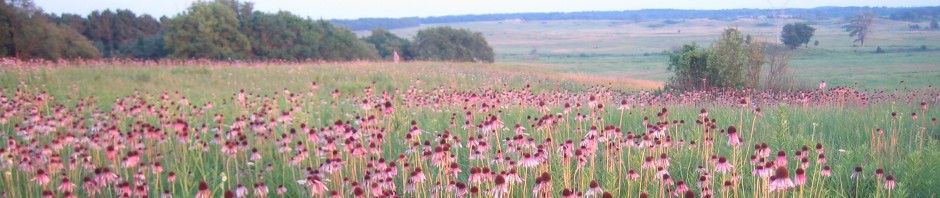
by Leah Kleiman, Land Restoration Specialist, Dane County Parks, Wisconsin
Dane County Parks Natural Areas Team – Dane County Parks is responsible for managing 15,000 acres of land. The role of the Natural Areas team is to restore most of these acres to oak-hickory woodland, oak savanna, and prairie. We are currently able to actively manage 5,000 of these acres. Every year we convert several hundred acres from agricultural fields to native habitat, usually prairie, which requires a lot of seed. The slower process of restoring degraded woodland also requires the addition of seed, and we often add to previous plantings when we can. This means we require several thousand pounds of seed per year.
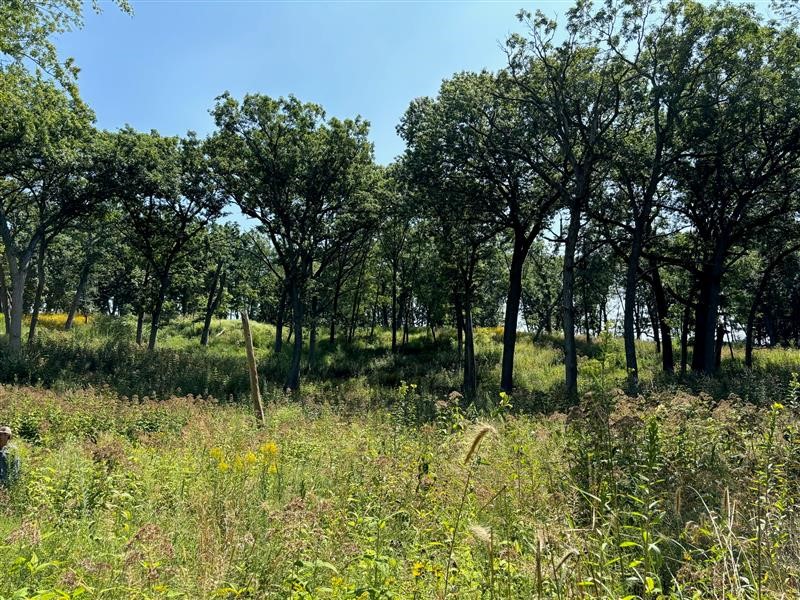
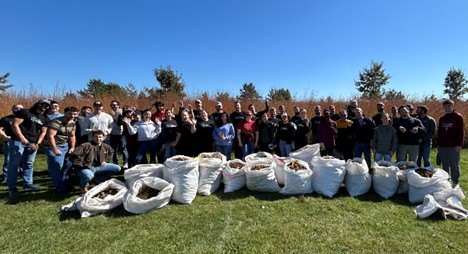
Seed Collecting – In 2024 we collected over 3,100 lbs. of seed from 169 species. This was almost entirely collected by hand, with a handful of species being collected with a seed stripper. Our staff would never be able to collect this seed on our own, but we are lucky enough to have dedicated partners and a community of volunteers who love to give back to the land. Our volunteers assist us in every step of the process. Our staff hosted 52 volunteer seed collection workdays from the end of August through mid-October. This meant we often had multiple workdays happening simultaneously, each run by 1-3 staff members throughout the fall. Not to mention volunteer groups that lead their own!

We also had three contracted Operation Fresh Start crews who spent many weeks collecting hundreds of pounds of seeds. A few species of seeded were traded with local USFWS and DNR colleagues as well. Dane County Parks is very thankful for these excellent partnerships throughout the year, no matter what the seasonal tasks are!

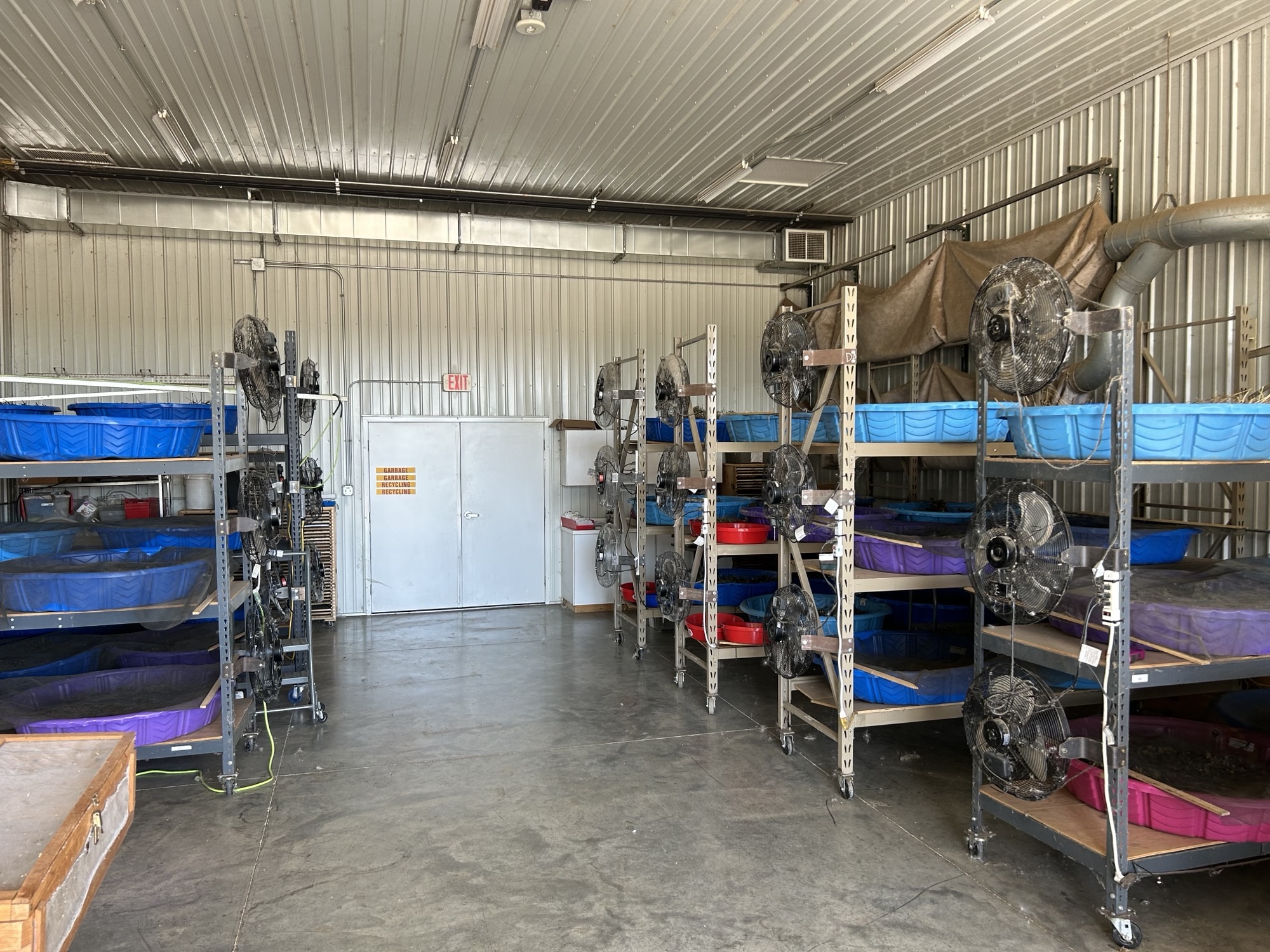
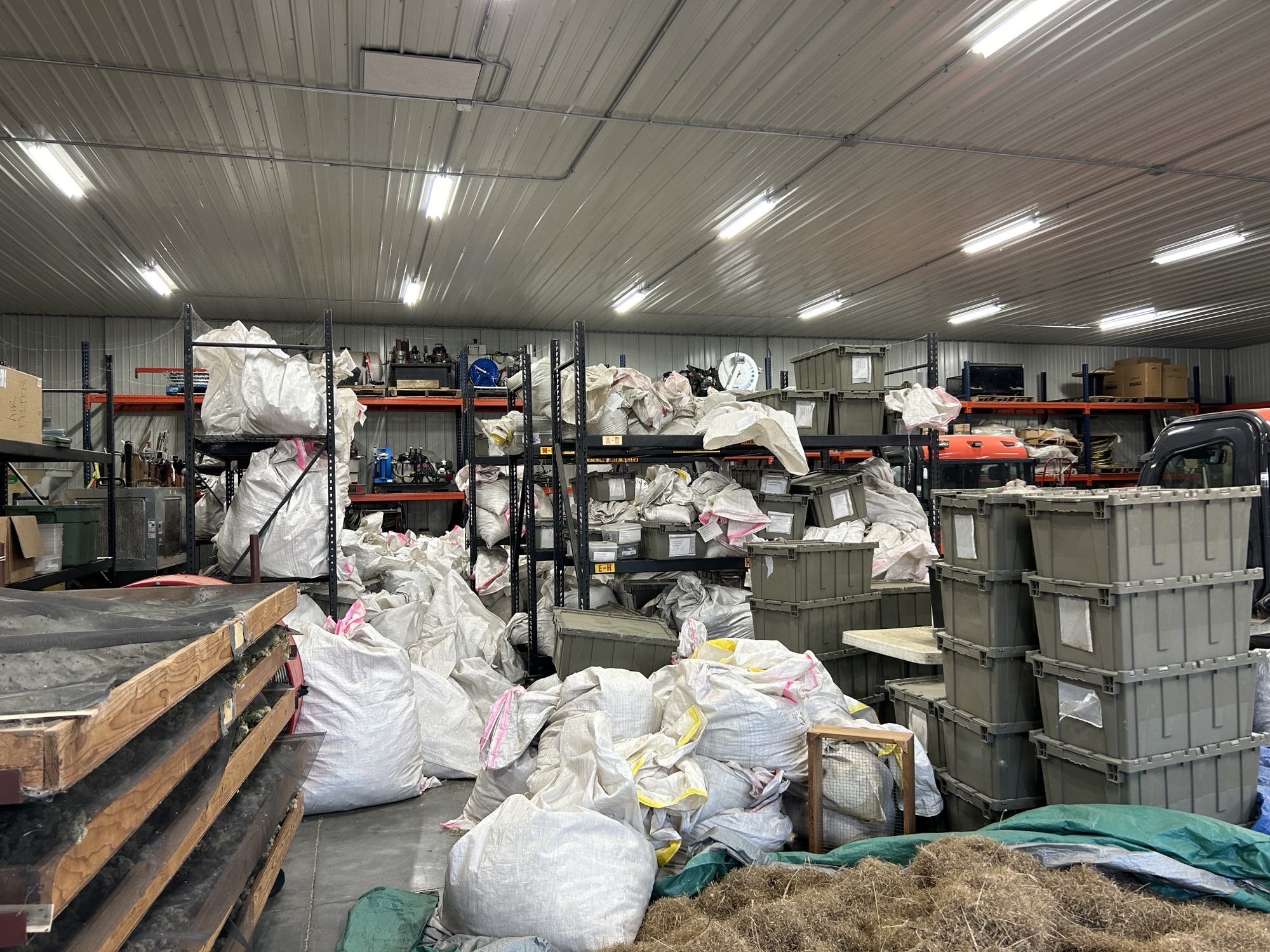
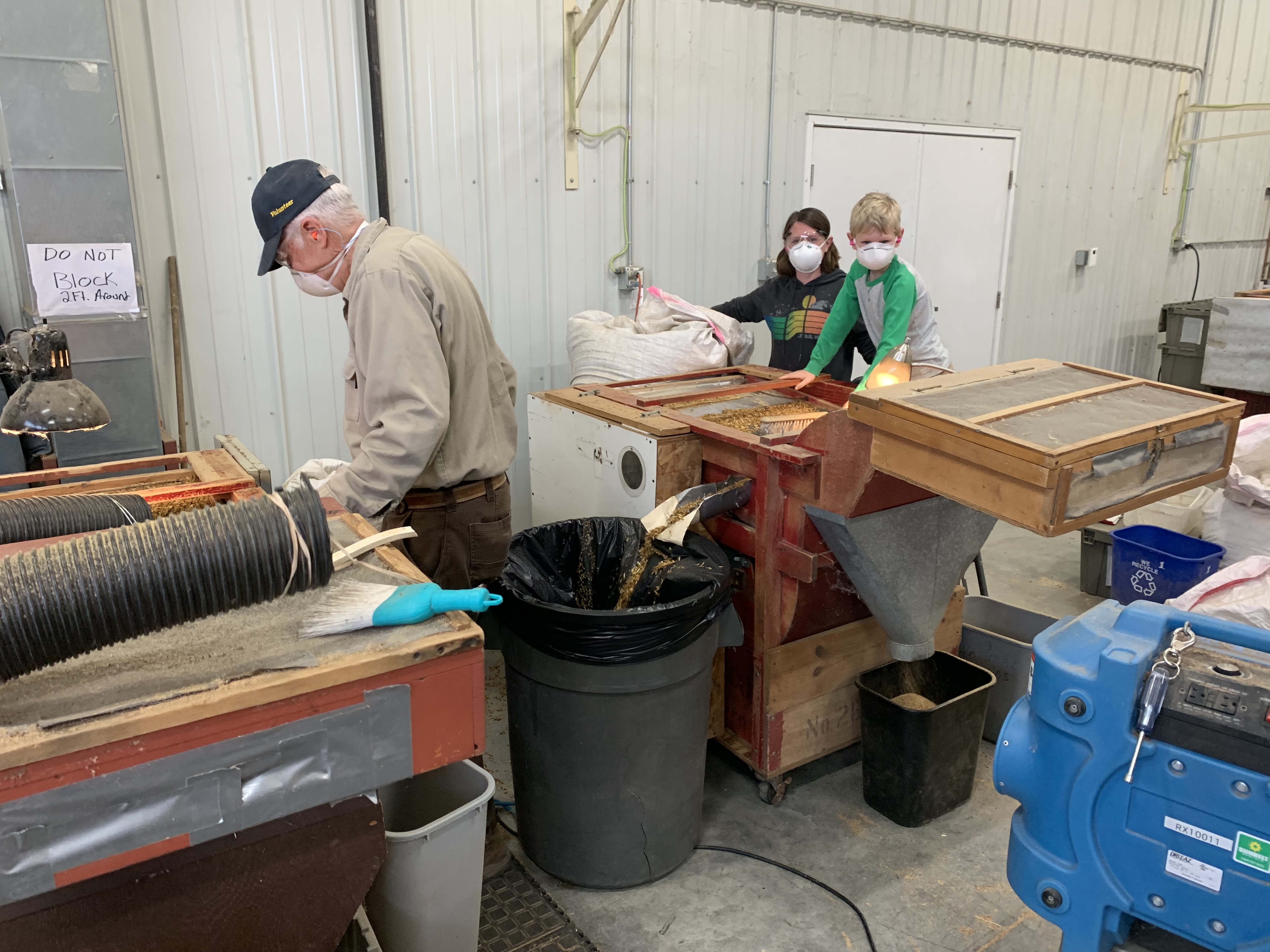
Seed processing (cleaning) – Each day, after the seed has been collected, it is laid out in kiddy pools on racks to dry under fans. Once the seed is dry, we process (or clean) it. This is all done in our seed shed where we run the seed through hammer mills to break up the stems and release the seed from the vegetative plant parts. We then run the seed through fanning mills which act as a sort of sieve with a fan to separate “the wheat from the chaff” leaving us with (nearly) pure seed. Often these processes are each repeated multiple times before moving on. In this, too, our volunteers work right alongside our staff. From the end of October through mid-November we had seed cleaning workdays every day of the week. We typically run two a day, one in the morning and one in the afternoon. In total, we had 36 seed cleaning workdays last fall. Our seed shed (two bays of a pole barn) can have two hammer mills and 6 fanning mills going at once.

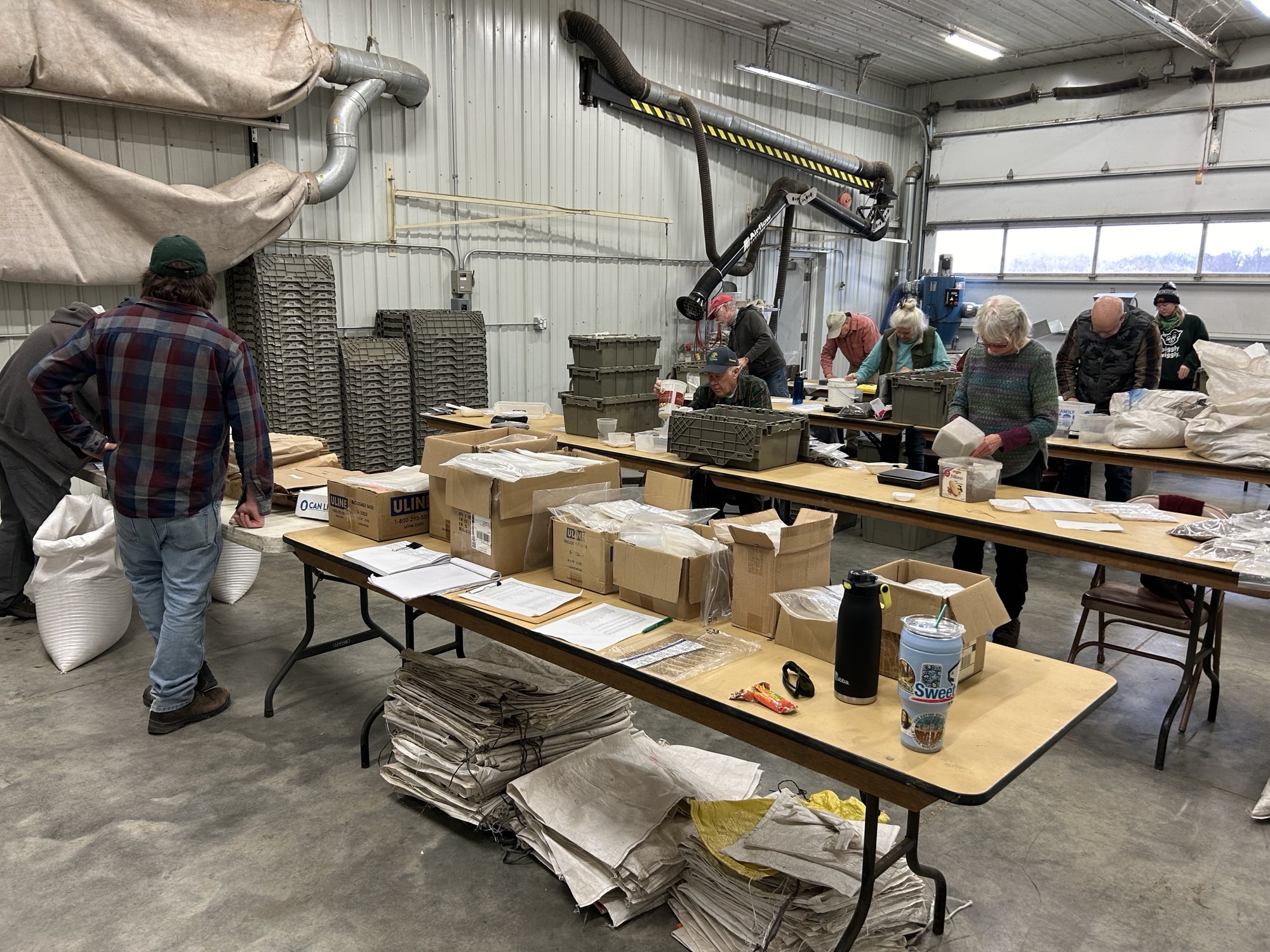
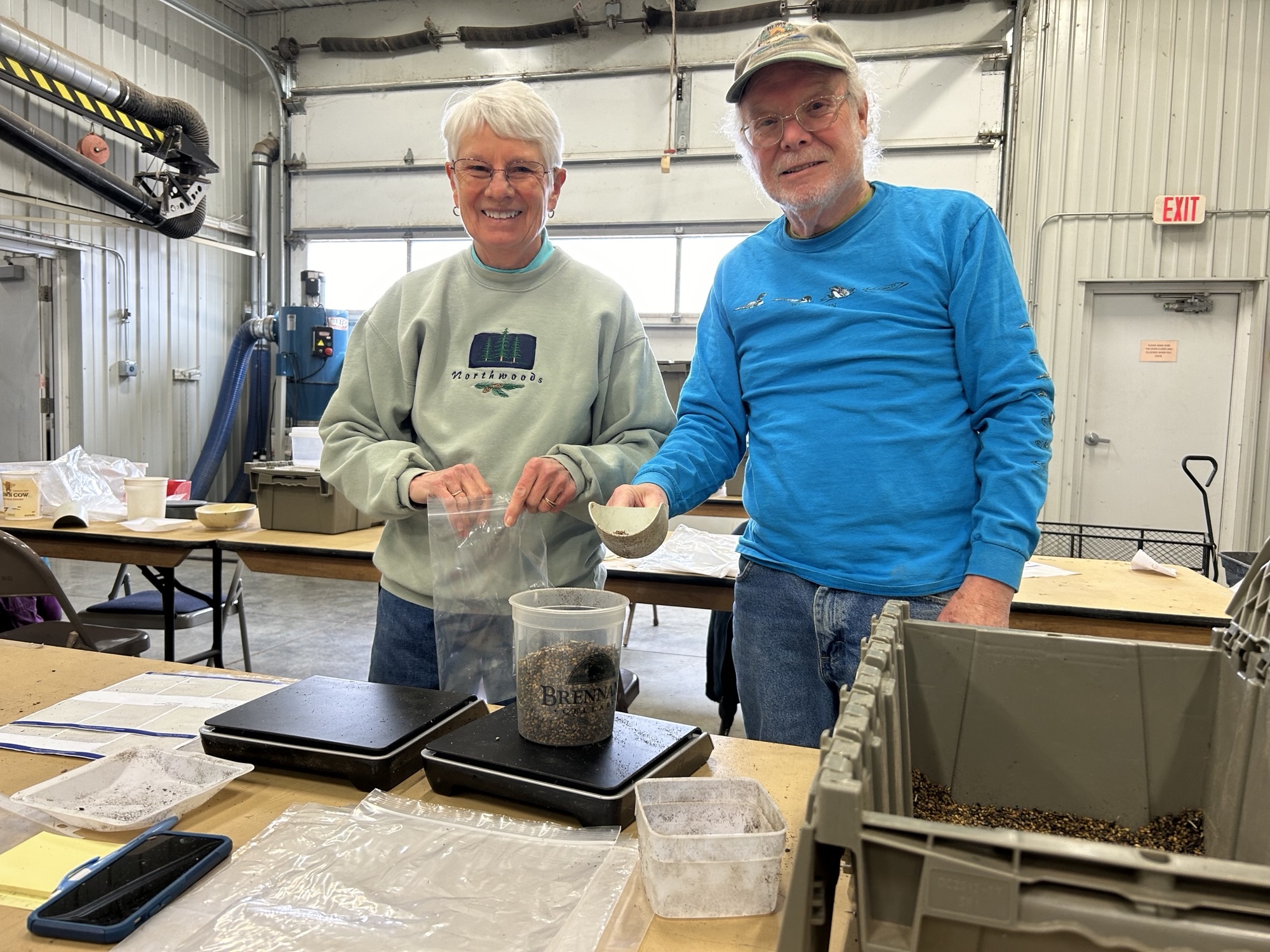
Weighing and bagging -Once all the seed has been cleaned, our staff weighs the totals of each species so we know what we have to work with for our seed mixes. This year we had 78 mixes, each for a different site to plant or over-seed. Dane County Parks volunteers, partner organizations, and local community groups (such as libraries and schools) request seed mixes from staff throughout the year that get on this list. Our seed is spread across the community, not just on Dane County land. The seed mixes are built in a spread sheet, and then it’s time to make them a reality by weighing out the correct amount of each species for each mix. Once again, our volunteers step up. This past year we had several seed weighing and bagging workdays in the first two weeks of the new year. Each volunteer works on one species at a time weighing out pre-determined amounts of seed, bagging them, and adding printed sticker labels with the correct mix. Staff then transport these bags into the next room and place them each in a designated mix area.
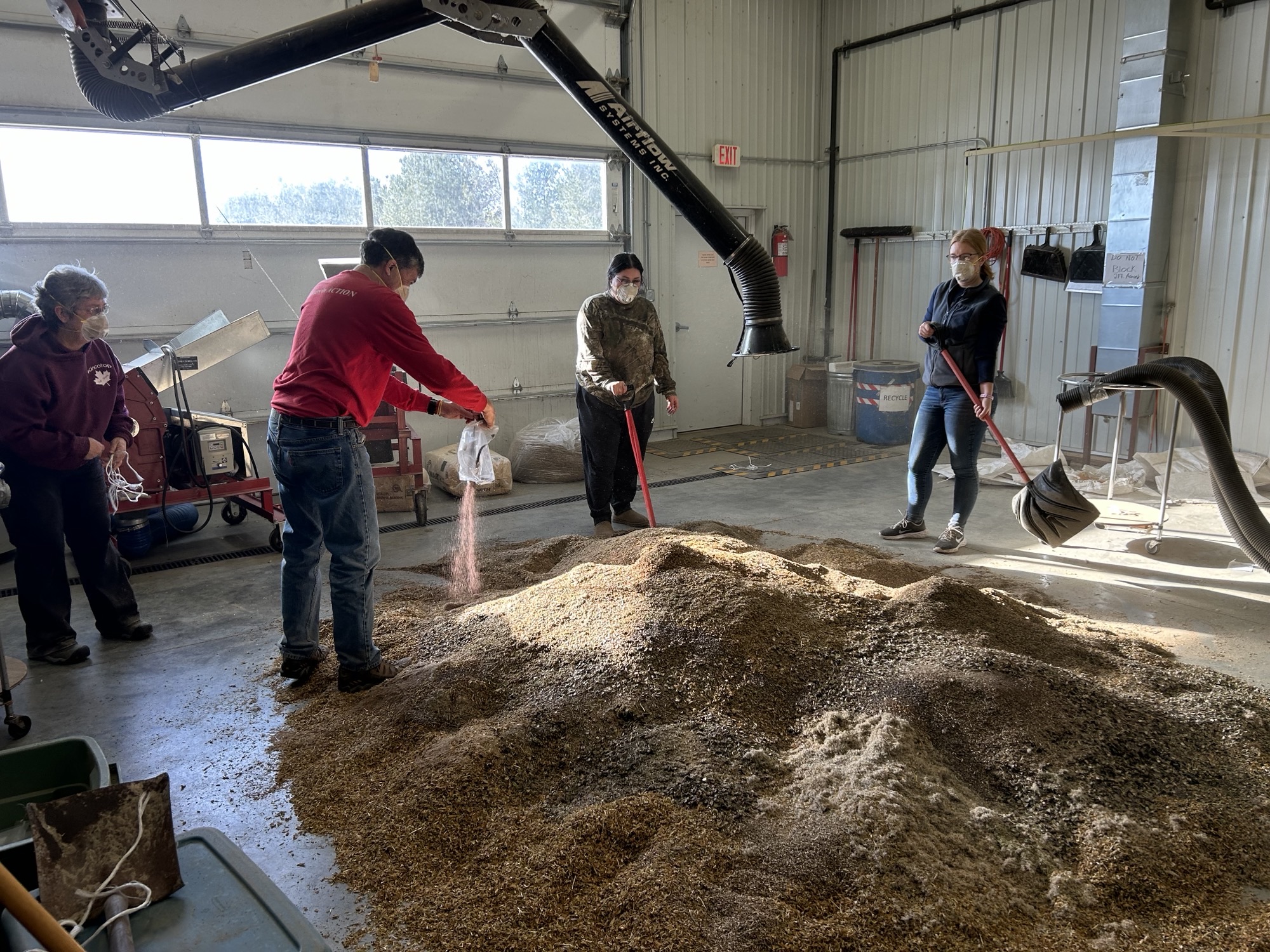
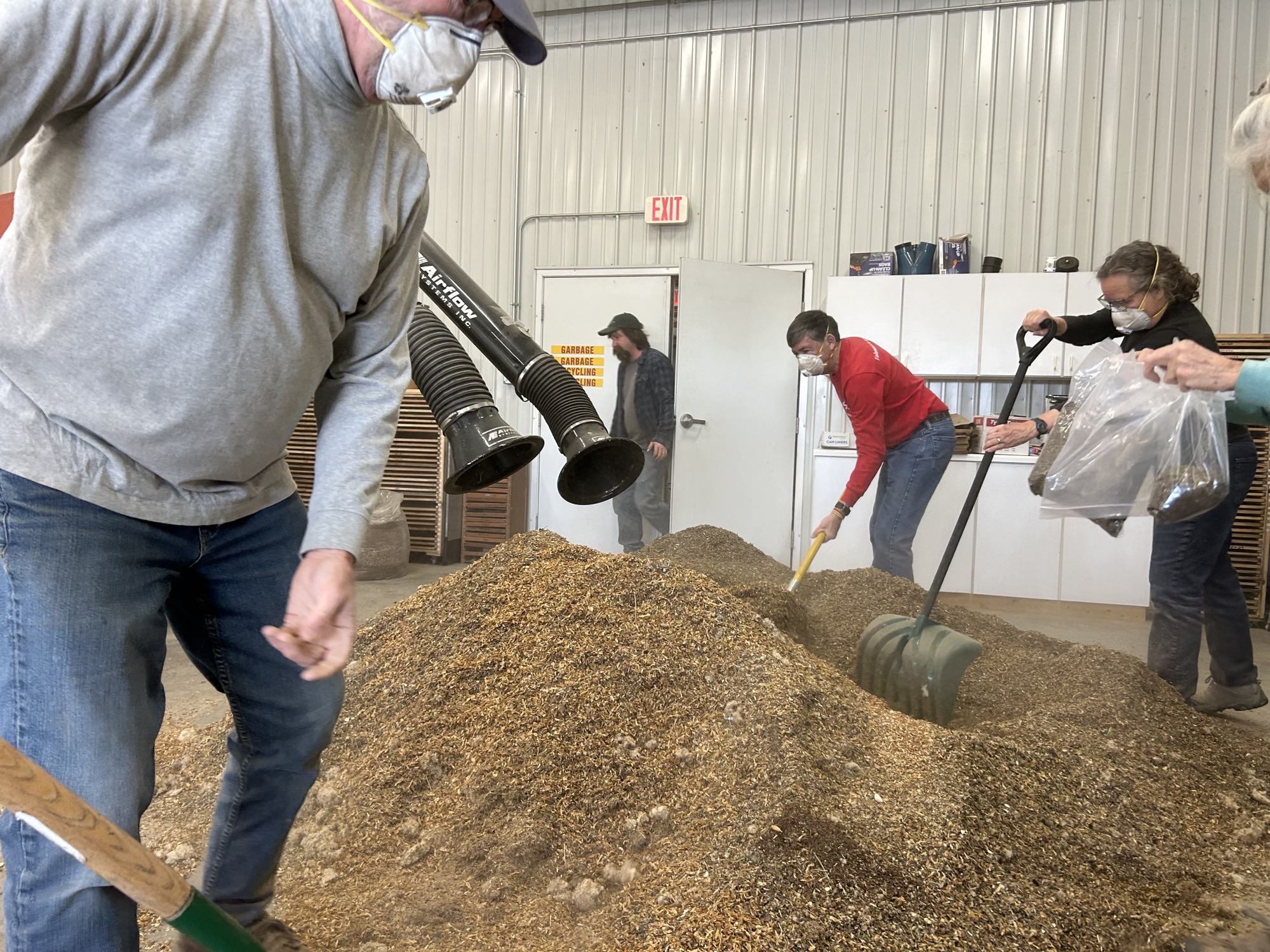
Seed mixing workdays – As soon we finish weighing and bagging, it’s time to dump all those bags back out again and create the individualized mixes for each site. It took just a handful of workdays to mix all 78. Volunteers come in and are supplied with shovels and brooms to mix the seed. Staff keep track of the different mixes, making sure they are bagged back up once mixed and labeled again for their designated site. This all requires a lot of coordination and triple-checking hundreds of labels. When we mix the different species of seed together, we add back in some of the chaff we previously removed. This is the “good chaff” that is not too dusty or full of twigs. It may sound counterintuitive to add back in what we worked so hard to remove, but having clean seed allows us to know exactly how much we have and carefully proportion it, while adding good chaff back in bulks up the mix so it can be spread more evenly and not have certain sizes of seed clumping up.
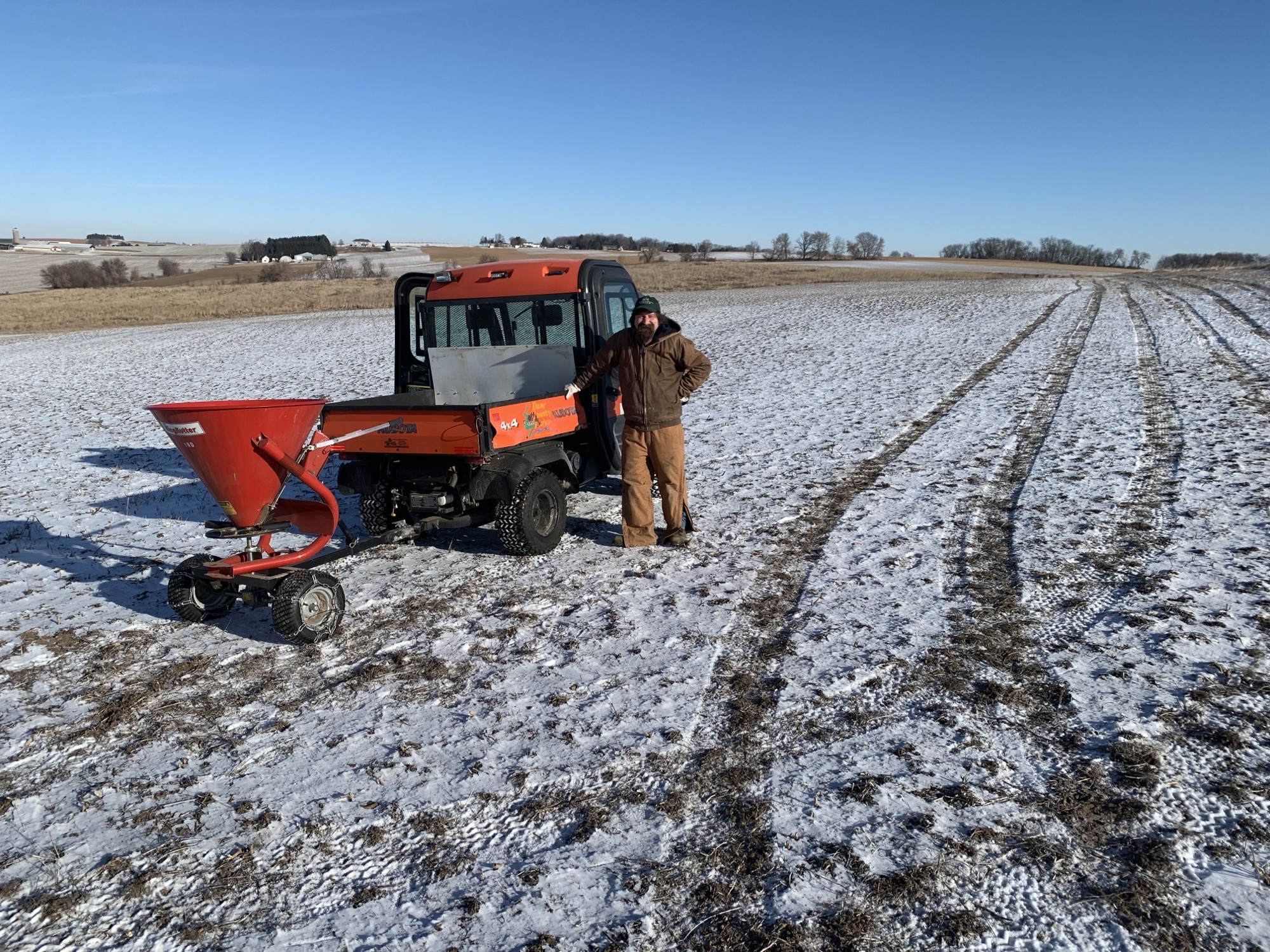
Seed spreading in winter – Our staff spreads the largest mixes, typically the new prairie plantings, with pendulum seeders pulled behind UTVs or tractors. We prefer to do this on top of snow, so that our tracks and seed can easily be seen, allowing for an even coat. Small plantings or over-seeding areas are often planted by hand. This can also be done with rare species that need to be planted in highly specific areas. How do we hand-plant dozens of seed mixes? You guessed it, volunteers! Many parks have volunteer Friends groups or Certified Land Stewards (volunteers with training to work independently) who may be responsible for spreading their own seed mixes once they pick them up from staff. We also have several volunteer workdays where staff lead volunteers in hand planting. All of this gets completed in time for burn season! Before we know it, we will be starting to collect next year’s seed.


 grassland restoration network
Awesome work Leah! fran
Amazing! Great to see so much land being improved.
Are seeding rates in the 1/10th or 1/100th of a pound range? Is it increased due to broadcast seeding vs. drilling?