By Bill Kleiman
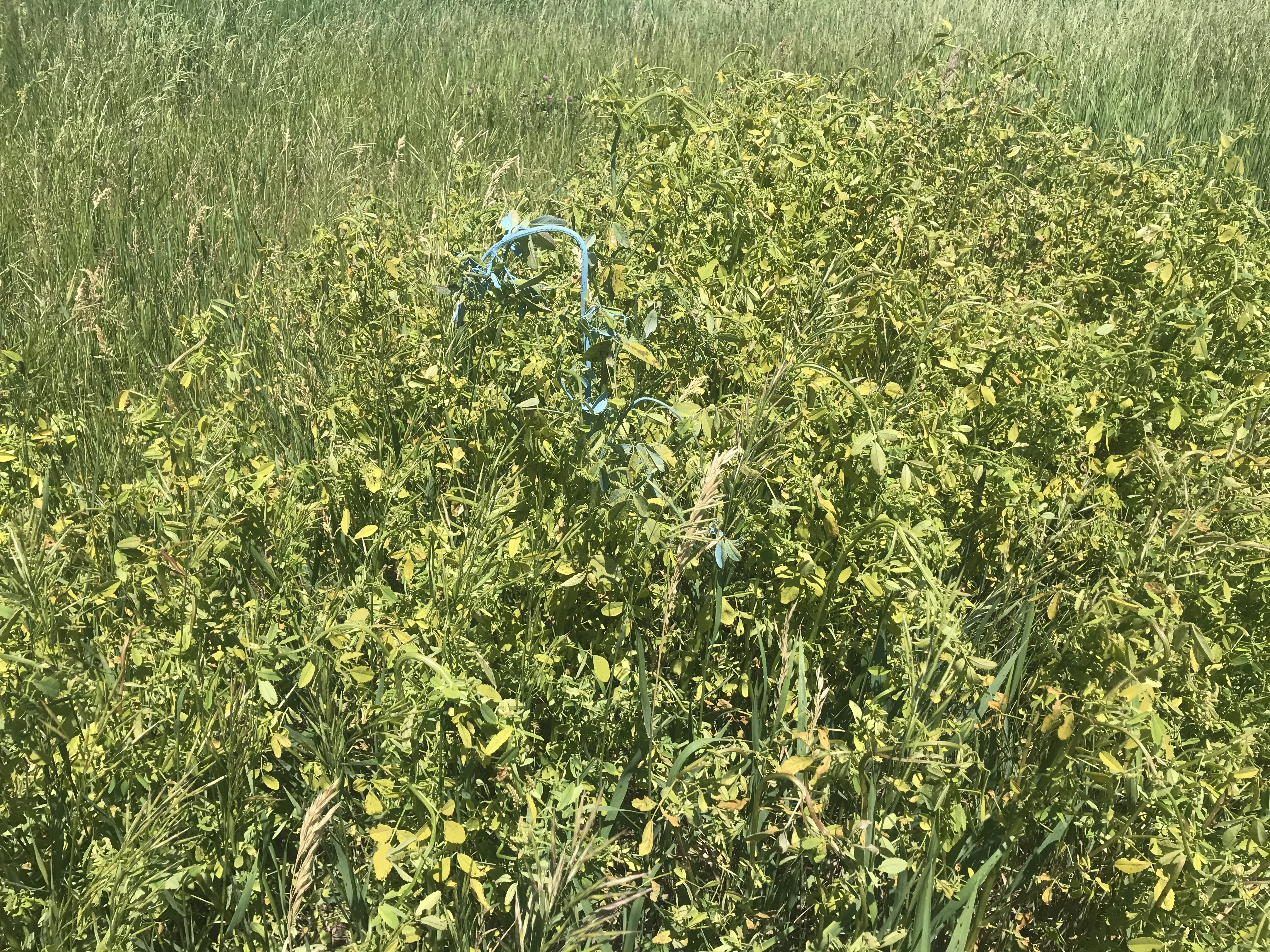
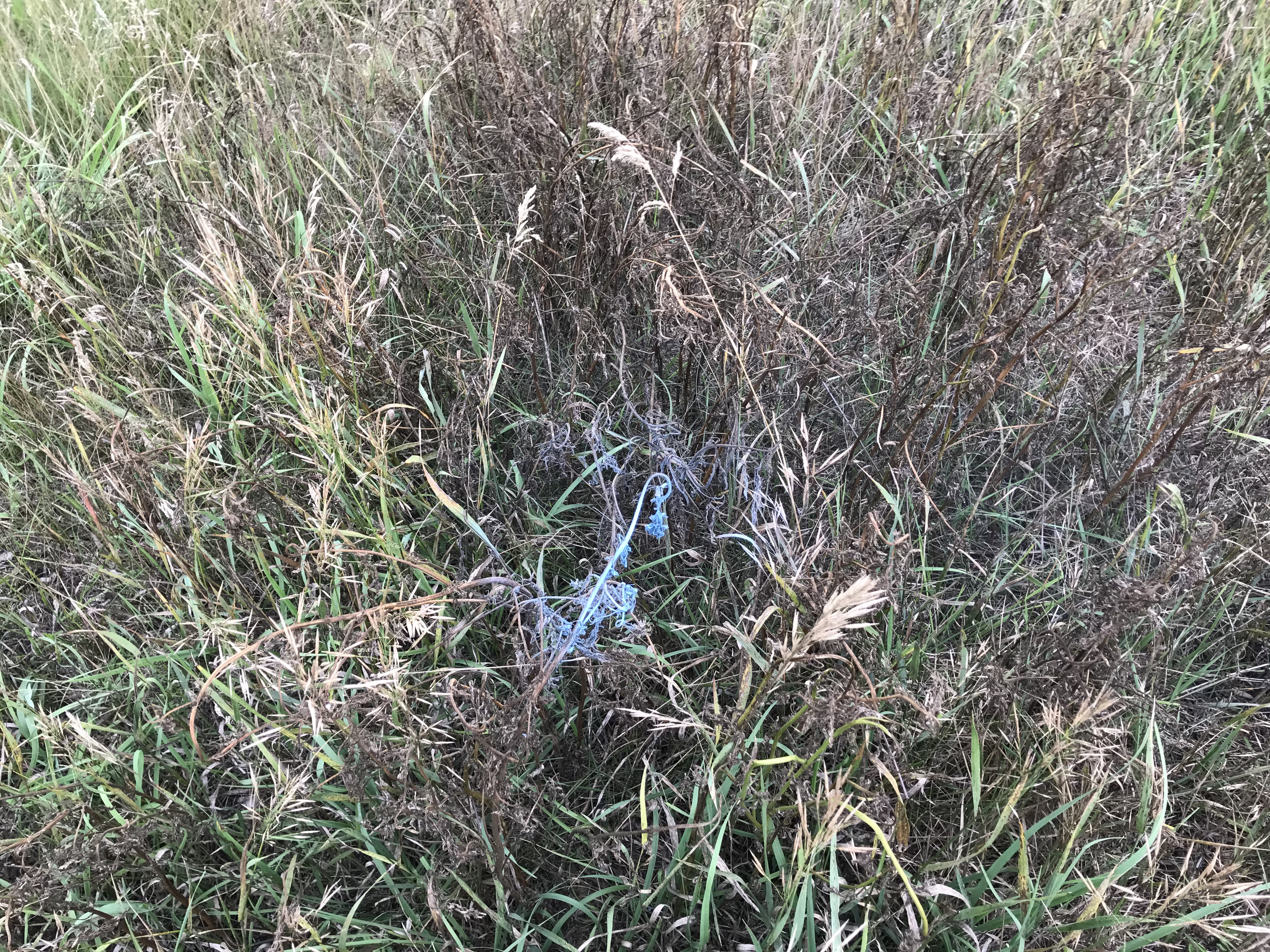
I have noticed with yellow sweet clover, Melilotus officinalis, that if I apply 1% Transline with a surfactant late in the bloom of yellow sweet clover that the clover appears to set some seed. We don’t want that. When I apply Garlon 3A or Crossbow the plants wilt and brown faster. I was curious to watch the progression of several marked yellow sweet clover that I treated with Transline on May 26, 2021. Here is one patch over time:


Lesson learned:
The Transline killed the yellow sweet clover, but I suggest treating plants early in bloom or before bloom is best. If in full flower use a different herbicide, or add that herbicide to your Transline.
In June 2025 a boom sprayed large occurrence of white sweet clover failed to kill the mature plants.
Why use Transline? It works well on crown vetch and cow vetch. Some adult plants are resistant to Transline, such as the genus Lespedeza, so don’t use this for your L cuneata control. But it is good to know that Transline can work if that is what you have in your tank.


 grassland restoration network
thank you for this!
Good information as I had a sweet clover outbreak in an area I thought was clear. How do we know when seed is set? If it is flowering you tend to notice it but it is not clear that you can just spray it at that point. This concept of when to bag and remove vs just drop on the ground comes up a lot with many species. Fyi I offered to do a tour of our place with your crew for further possible seed exchanges. Lots of culvers root. If anyone ever wants a tour I will give them one. Damian Considine wants to come in the beginning of August. I can say it is better than ever!
John, I think I deleted my first reply to you. Let me try again. With sweet clover, when the seeds go from squishy to soft I suggest loading them into plastic barrels and taking to a burn pile. With birdsfoot trefoil, we start to haul them when the pods are green, or at least greenish brown.
I did a test with Garlon 3A on garlic mustard some years’ back and found that even partially ripe seed aborted after spraying, while glyphosate did not stop seed development if underway. Good to know about transline. A bit disturbing considering the dread Birdsfoot Trefoil and Transline. I may switch to Garlon 3A for BFT.
What I like about Garlon 3A is that is does not have that heavy odor, it is less aggresive but seems to wilt plants fast, and I assume the wilted plants will die, but to test this I need to wire flag some treated plants and come back in the spring.
Hi Bill!
Do you find any difference in this regard between Transline and Milestone?
I have not felt Milestone was slow to wilt a plant, but I have not compared them side by side. We notice Crossbow wilts very fast, Garlon 3 or 4 quite fast. The next iteration of that photo series could be several chemicals applied on the same day. So little time.
What are your suggestions for controlling red clover in prairie areas.
Red clover, Trifolium pratense, is a perennial legume that Nachusa has a lot of in places. If you can keep it from establishing in a prairie planting the prairie seems to keep it out, but this view may be optimistic. For small numbers we had Jay Stacy, long time volunteer steward, cut each one and dab on concentrated roundup or sometimes Garlon4. But when the area had more plants than he had time he switched to a backback application of 1 ounce per gallon transline which he reports, and I concur, works well. Other broadleaf herbicides do well also, such as Garlon 3A, Crossbow, Milestone. The roots are fibrous and tough to dig up but you can try that on some. Mowing only encourages red clover.