Antonio Del Vallé, Emma Leavens, Meghan Midgley
This is a shortened version of a longer post from the Strategies for Stewards blog. You can find the full-length version at this link: https://woodsandprairie.blogspot.com/2025/12/effects-of-brush-pile-burning-in.html
Research project summary:
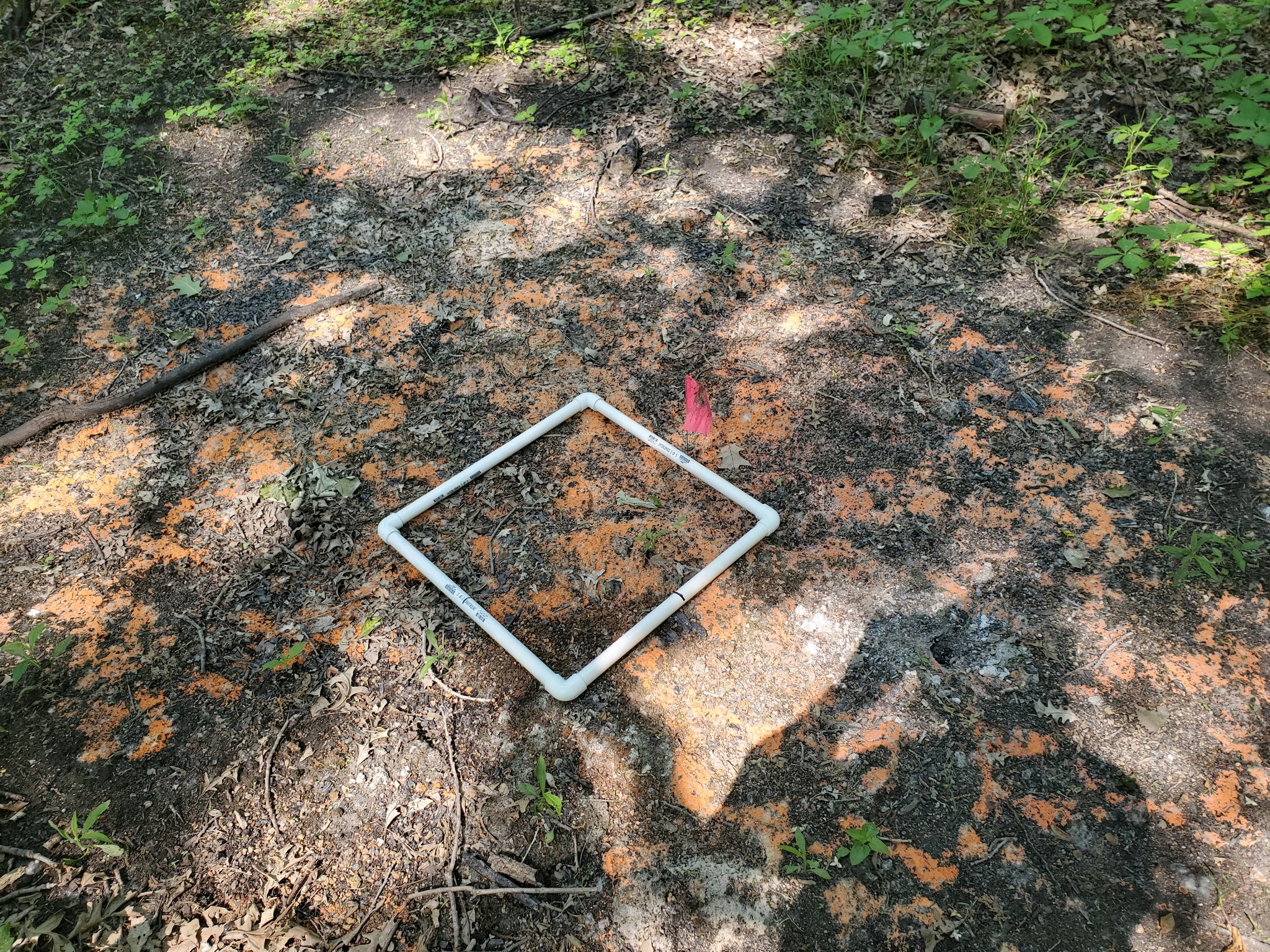
Over the past three years, we have conducted research on brush pile burning and its effects on plants, fungi, and soil across the Chicago region. We’ve had the pleasure of collaborating with many different organizations, forest preserves, stewards, and volunteers across the region to determine where brush has been burned and collect data related to plant and soil communities. Our project has three main themes/questions: 1) how do plants and soil change through time following brush pile burning?; 2) how do differences in habitat, burning techniques, and type of wood being cleared/burned impact the succession of plant/soil communities following burning?; 3) are there post-burn restoration techniques that encourage desirable plant and soil communities?
Removal of invasive woody species (e.g. buckthorn, honeysuckle, etc.) and overstory thinning of native weedy species (e.g. maple, basswood, etc.) are important/essential restoration techniques to restore oak woodland, savanna, and grassland habitats in the Chicago region (and anywhere there is invasive brush that cannot be controlled by prescribed fire alone). Many regional practitioners and stewards eliminate resulting woody debris by conducting brush pile burns. This approach reduces effort, cost, and potential soil compaction of removing wood from natural areas. Additionally, it fosters social engagement and camaraderie amongst stewards through group “cut and drag” work days and gathering around the fire afterwards.
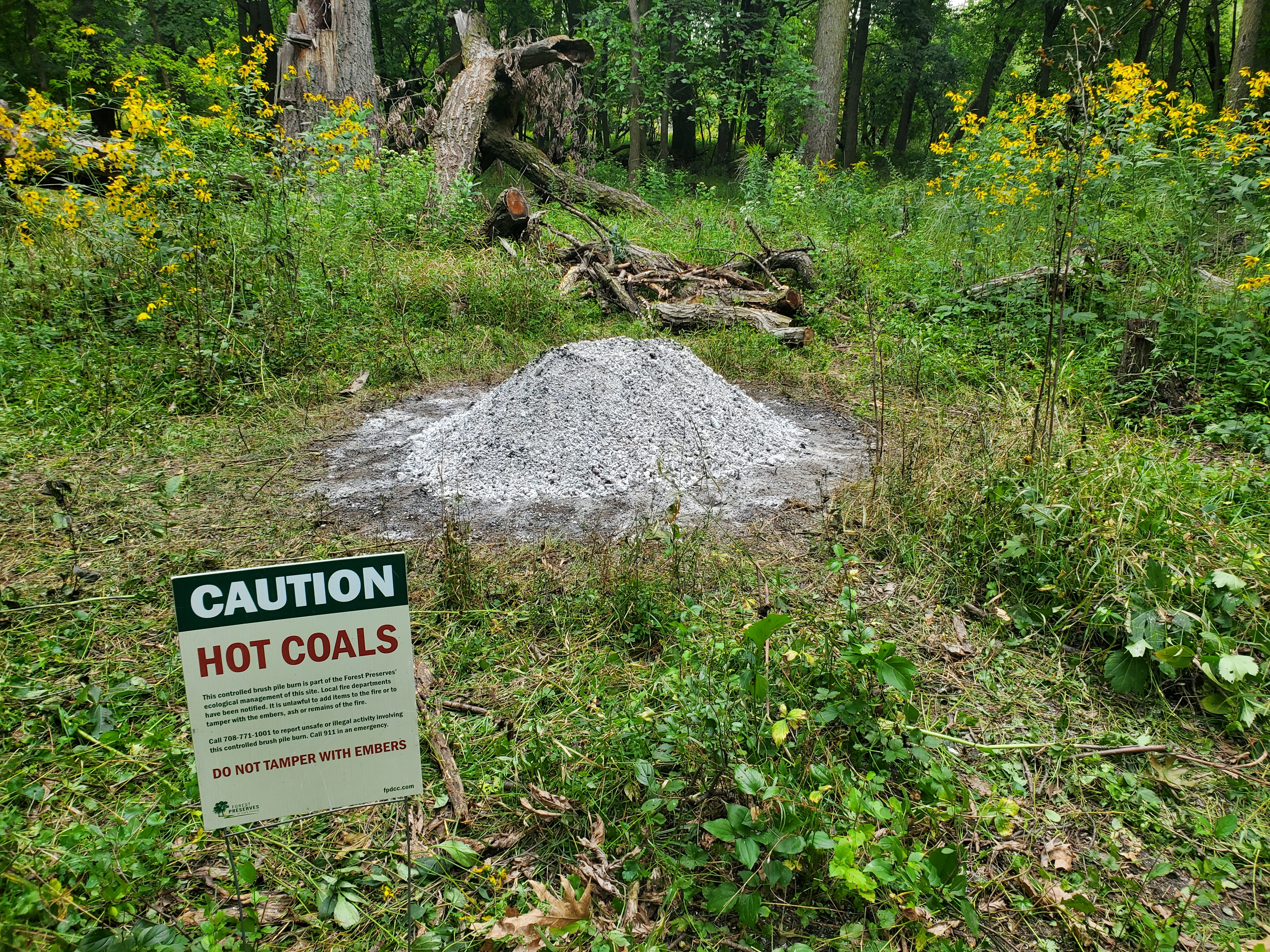
As researchers, we want to understand what happens when brush piles are burned in natural areas. Brush pile burning may change soil chemistry, and plant and fungal biodiversity. In our research, we’re working with stewards and managers of natural areas throughout the Chicago region to assess the above- and belowground effects of brush pile burning, identify the burning strategies that maximize or minimize these impacts, and characterize post-burn succession.
Preliminary results: How does burning brush affect the ecology of the burn pile footprint and how do soil and plants respond over time?
For the preliminary results detailed below, we will mainly draw from our studies of brush pile burns conducted at The Morton Arboretum and Forest Glen Woods (Cook County) from 2015-2023 (unless otherwise noted). We present data for each preserve separately, since each preserve has slightly different habitats/plant communities, and brush pile burns may consist of different levels of burn intensity.
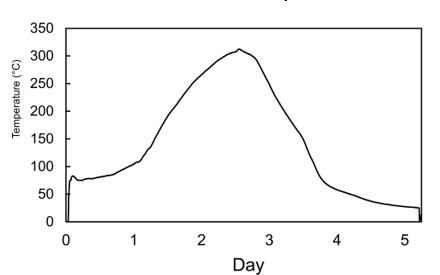
Soil temperatures can reach values of 80-350 ℃ at 2 centimeters depth within the centers of burn piles and stay above 60 ℃ for 3-5 days after active flames are put out. Below is an example of soil temperatures observed underneath a brush pile at Harms Woods in Cook County.
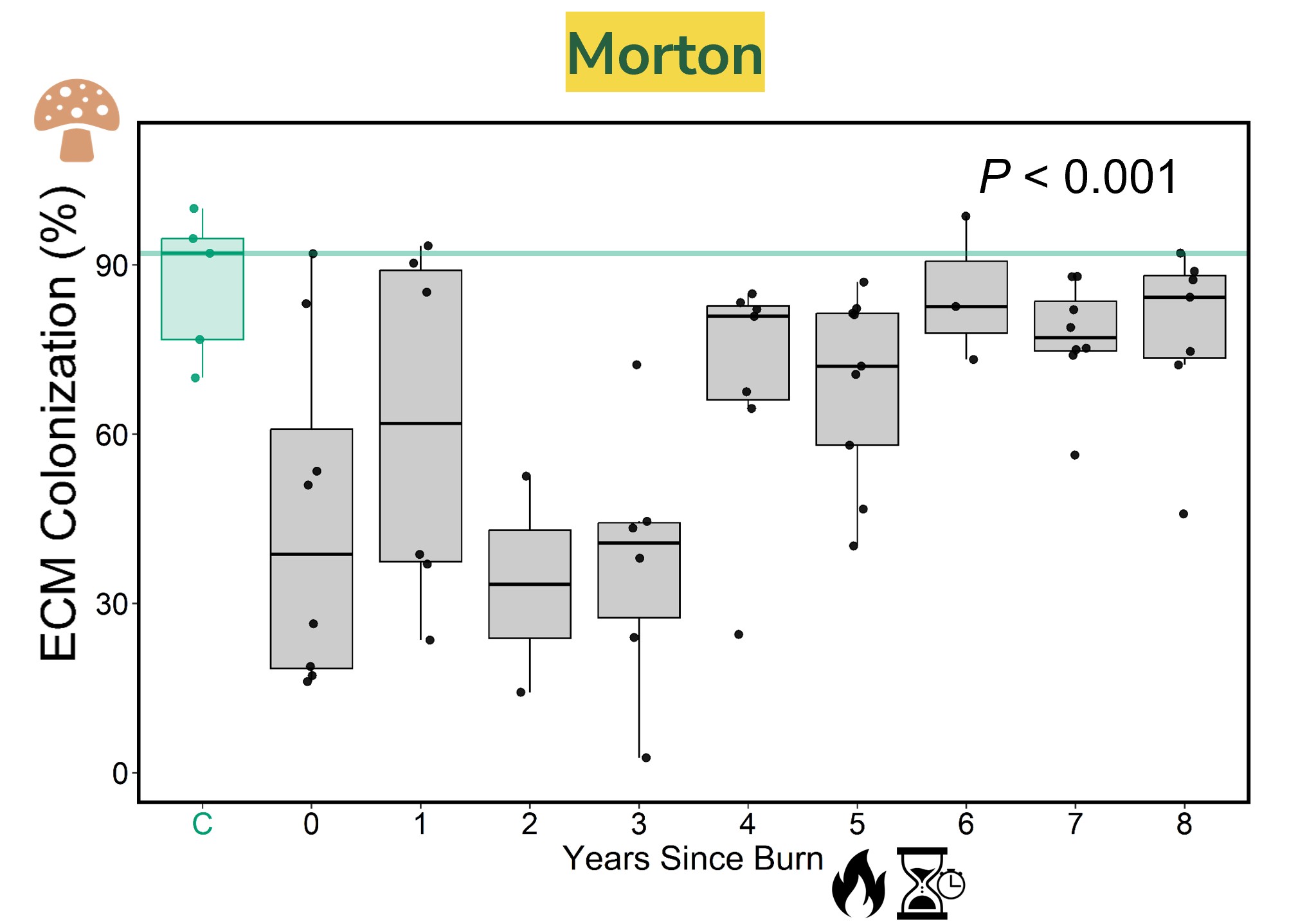
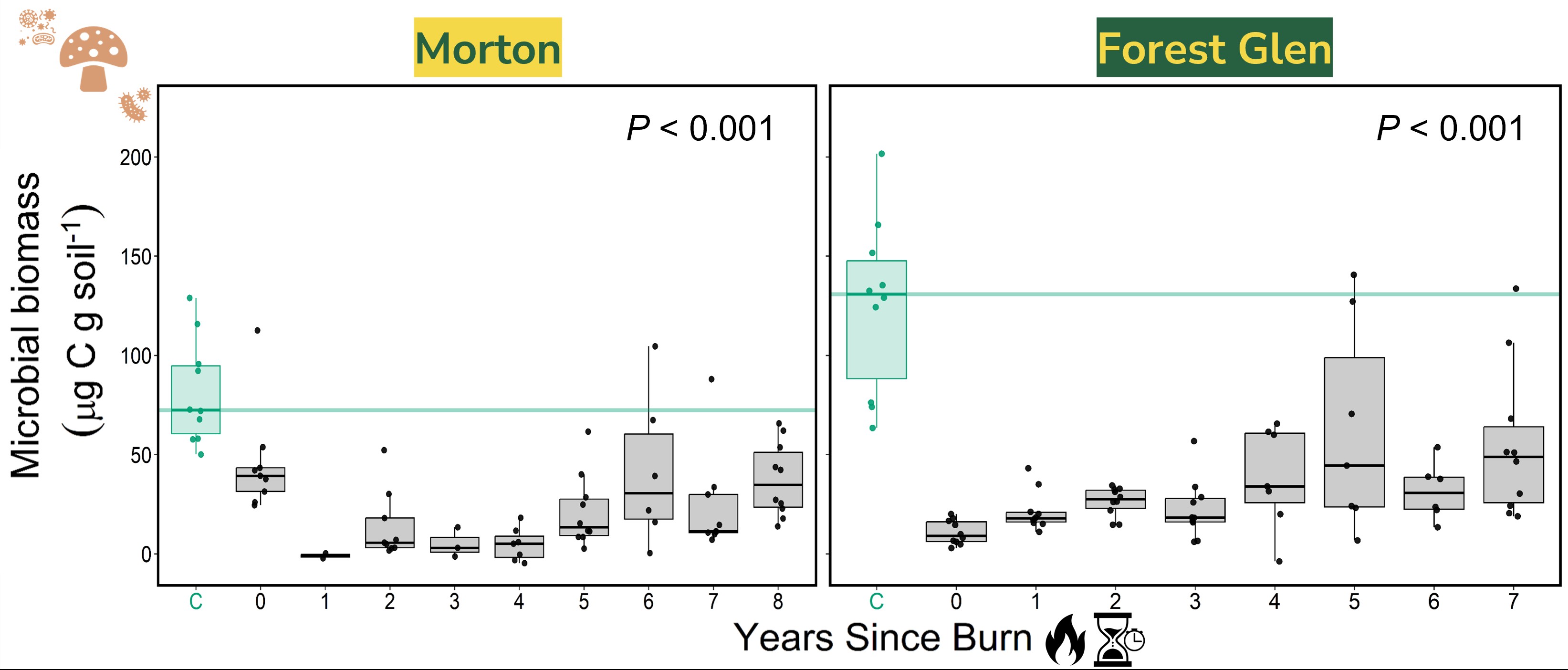
These temperatures are high/long enough to negatively impact seed viability and mycorrhizal fungi. It takes 4 years for mycorrhizal fungi to return to pre-burn values.
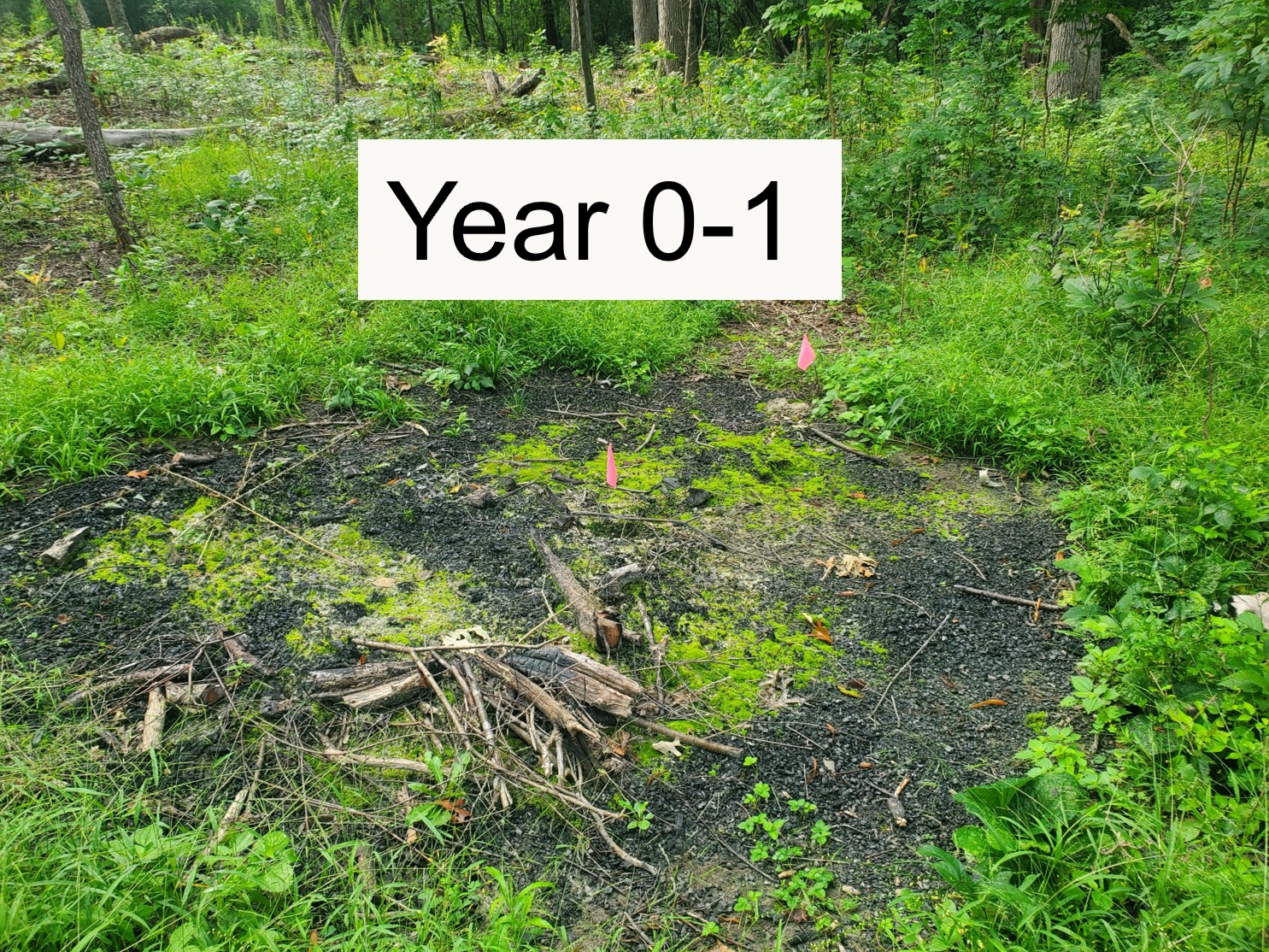
Microbes (fungi and bacteria) are needed to balance soil nutrients, so their fluctuations through time may impact soil nutrient changes through time. Decreases in mycorrhizal fungi abundance or changes in the fungi community may inhibit the growth of plant species that require specific mycorrhizal associations. Though there are significant decreases in overall microbe abundance, we do observe some unusual pyrophilic fungi species (Pyronema omphalodes) 0-1 years after burning.
Brush pile burning increases soil pH, nitrate, and phosphate through ash deposits. Nitrate and phosphate return to pre-burn levels within 2 and 5 years respectively. pH values remain significantly higher (more alkaline), 7 years post-burn.
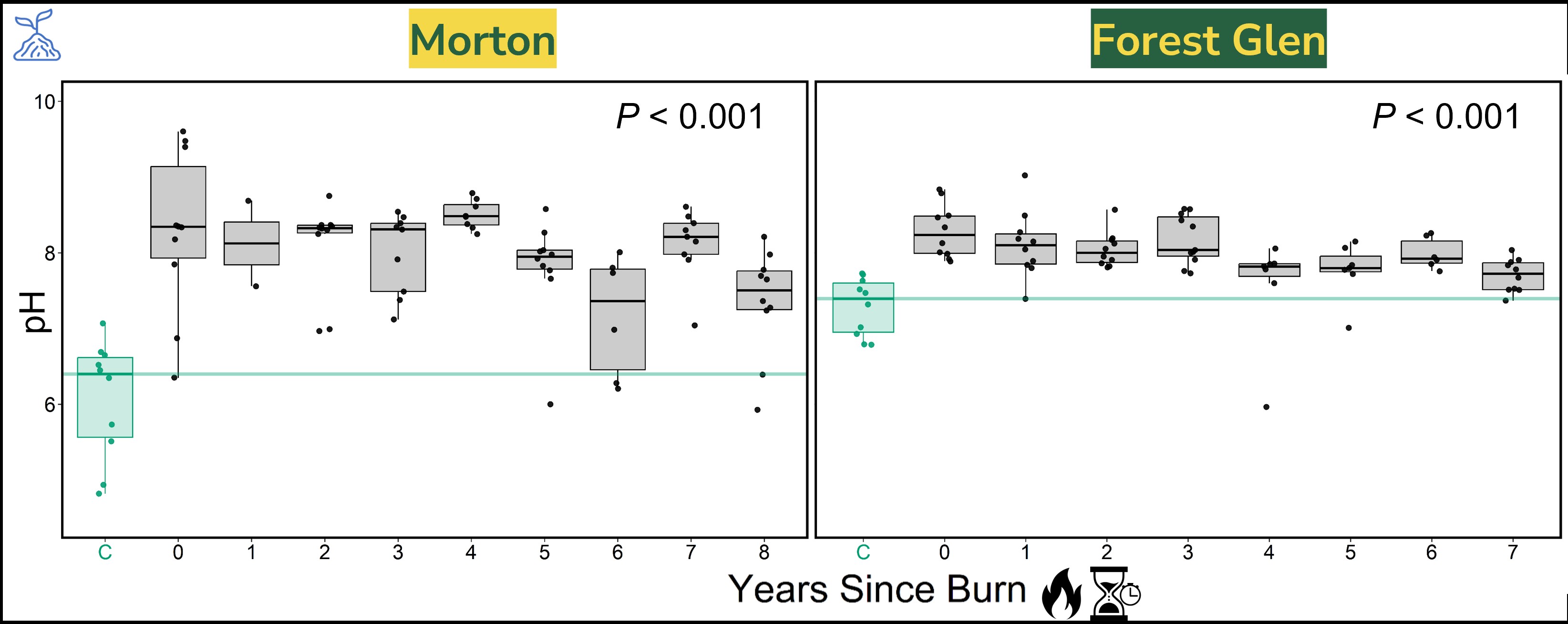
The creation of more alkaline soils may provide unique habitat conditions for rare/pyrophilic plants, create conditions that support invasive species, and/or make the area difficult for more conservative plants to grow.
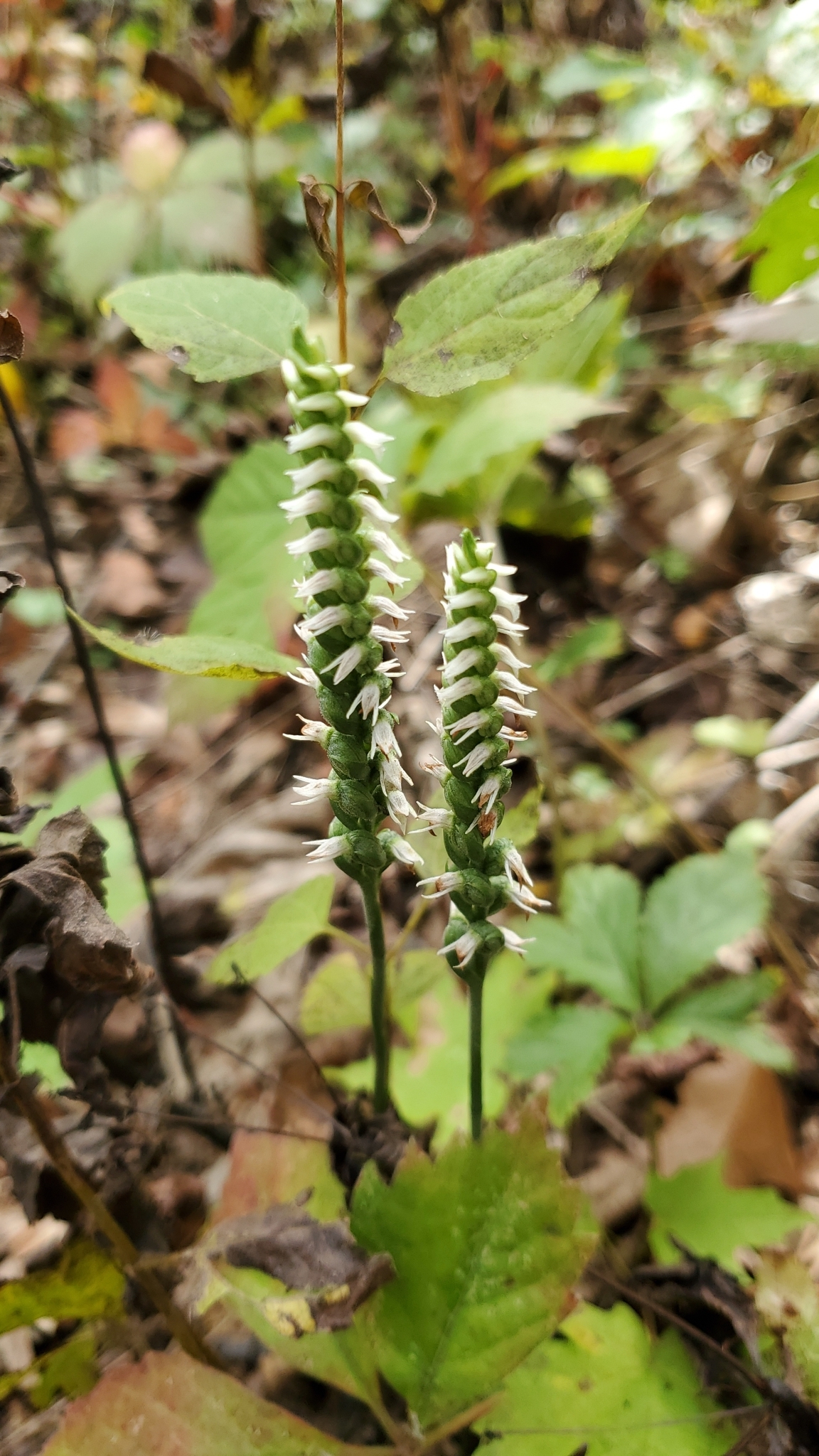
The state endangered Geranium bicknellii is known to exclusively grow on the edge of burn pile footprints in a few natural areas in the region. Additionally, we’ve made observations of other rare plant species, such as this Spiranthes ovalis erostellata, which was found in an 8 year old burn scar.
Plant cover and quality is greatly reduced in the first growing season after burning. Weedy/hardy plants such as tall goldenrod, pokeweed, and wintercress are observed 0-3 years after burning.
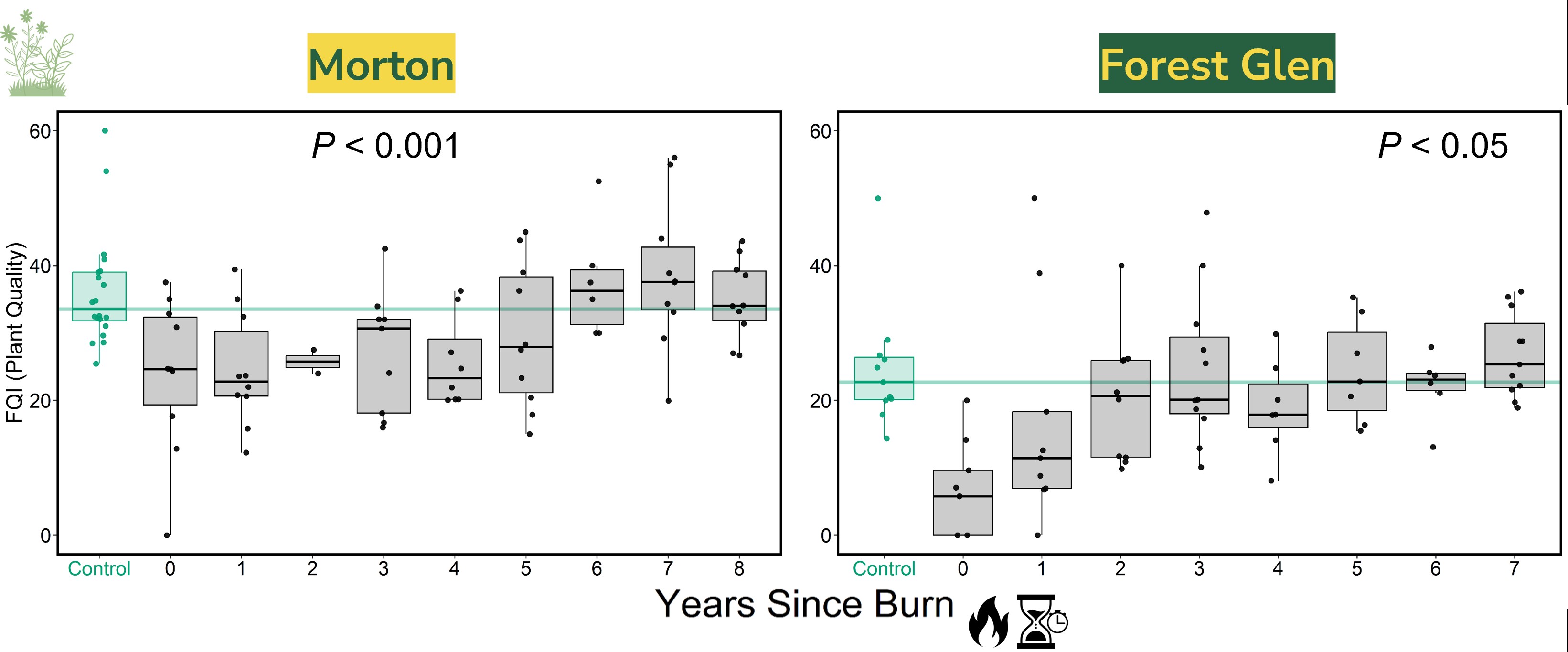
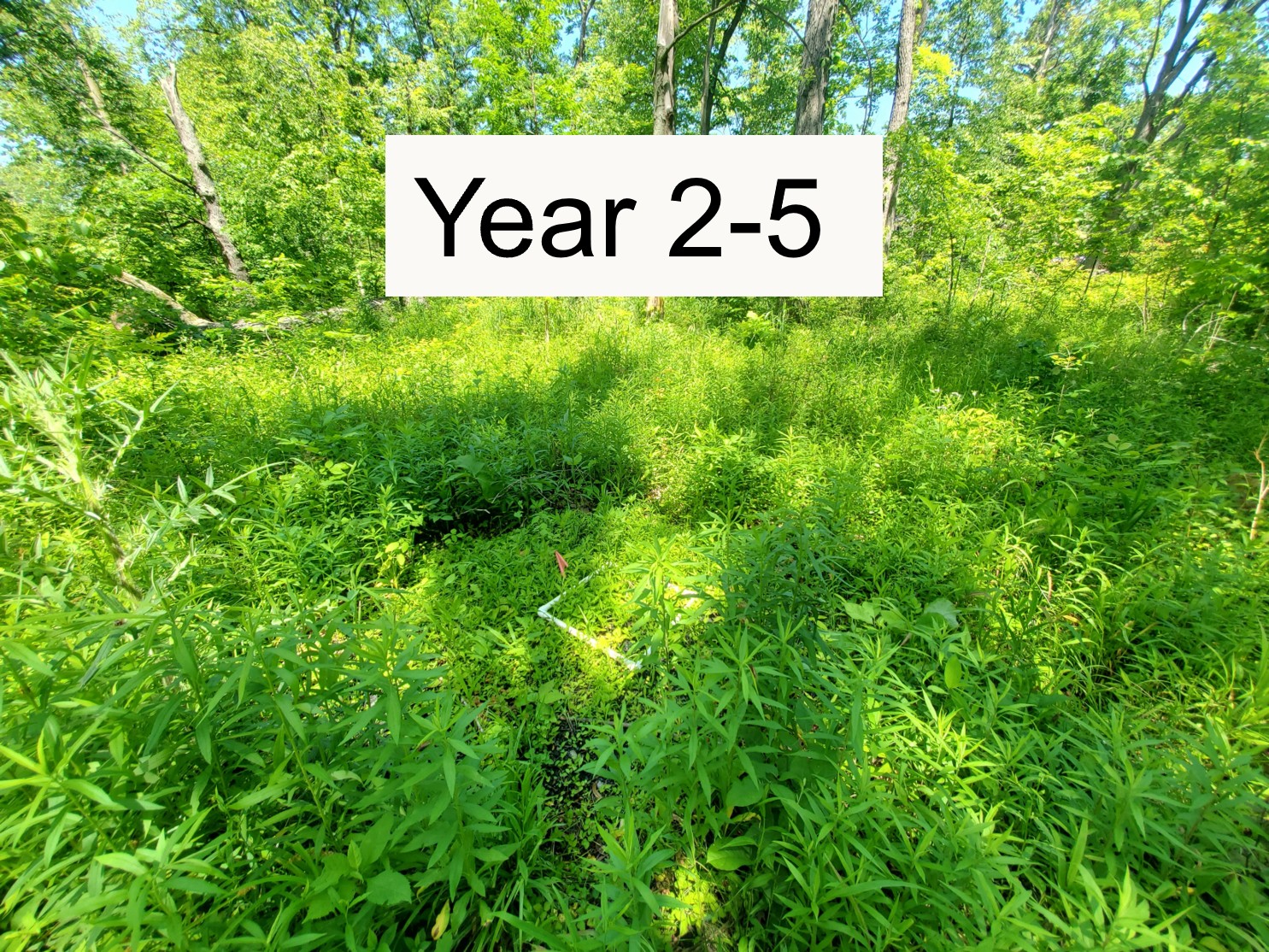
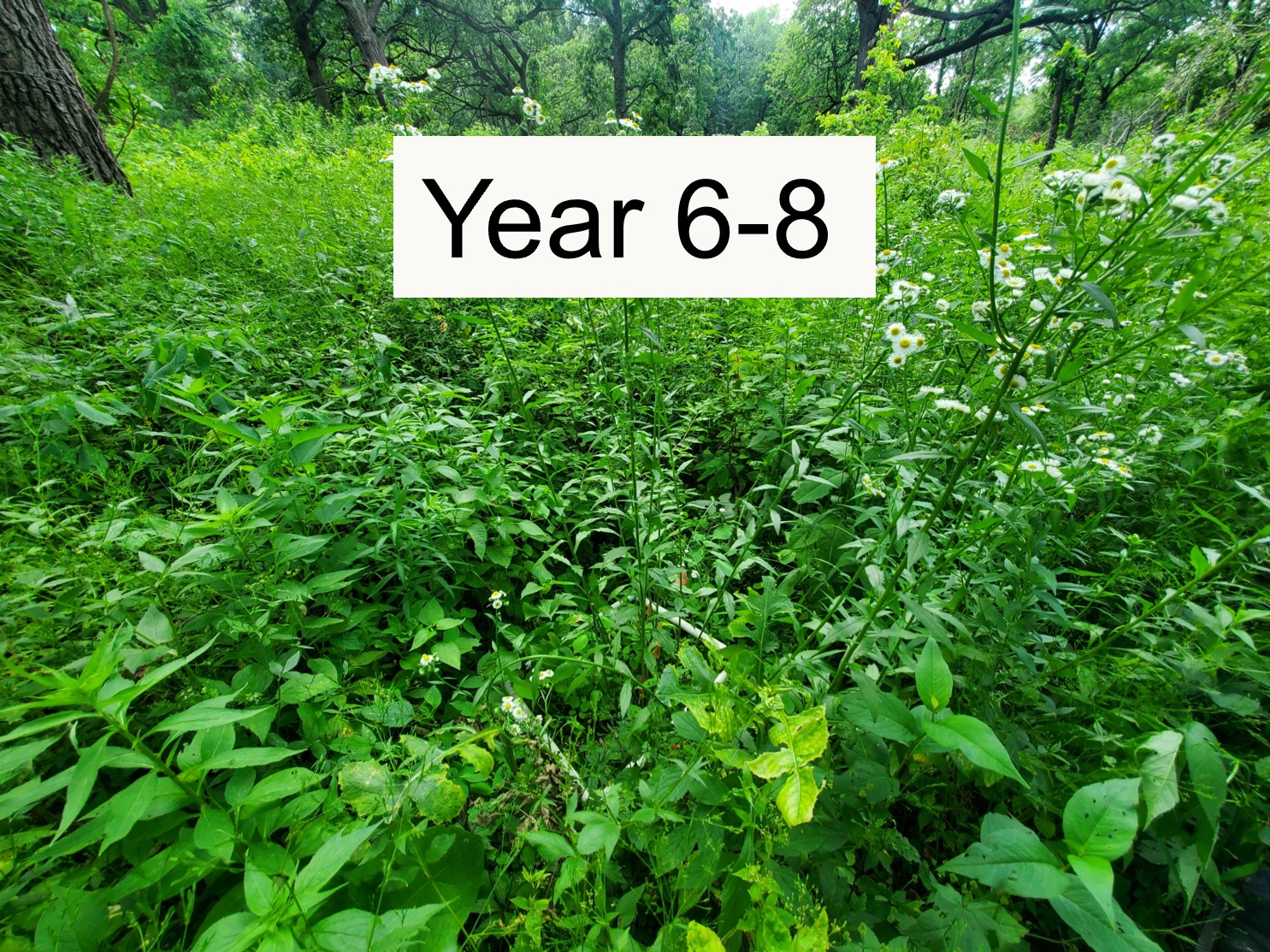
As soil pH and nutrients balance through time, the plant community successionally returns to its previous composition. Overall, variation in plant quality within burn scars is dependent on the surrounding plant quality within the natural area. Plant quality variation may also be related to burn intensity and other factors. We have more work to do to uncover the relationship of burn intensity and other management decisions to soil biogeochemistry and plant communities in burn scars.


 grassland restoration network