By Mary Vieregg, Nachusa Grasslands Volunteer Steward, with photo and captions by Bill Kleiman
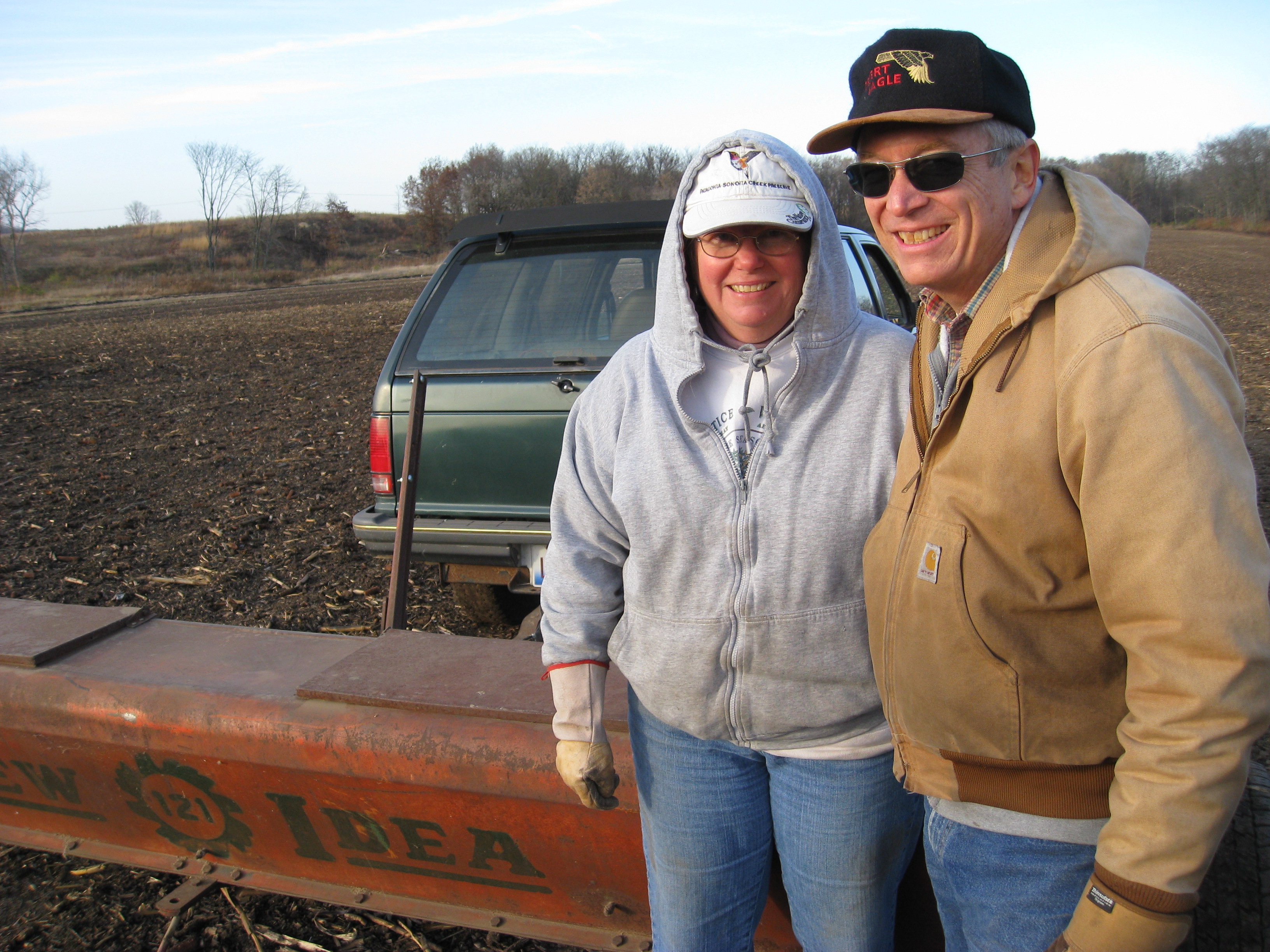
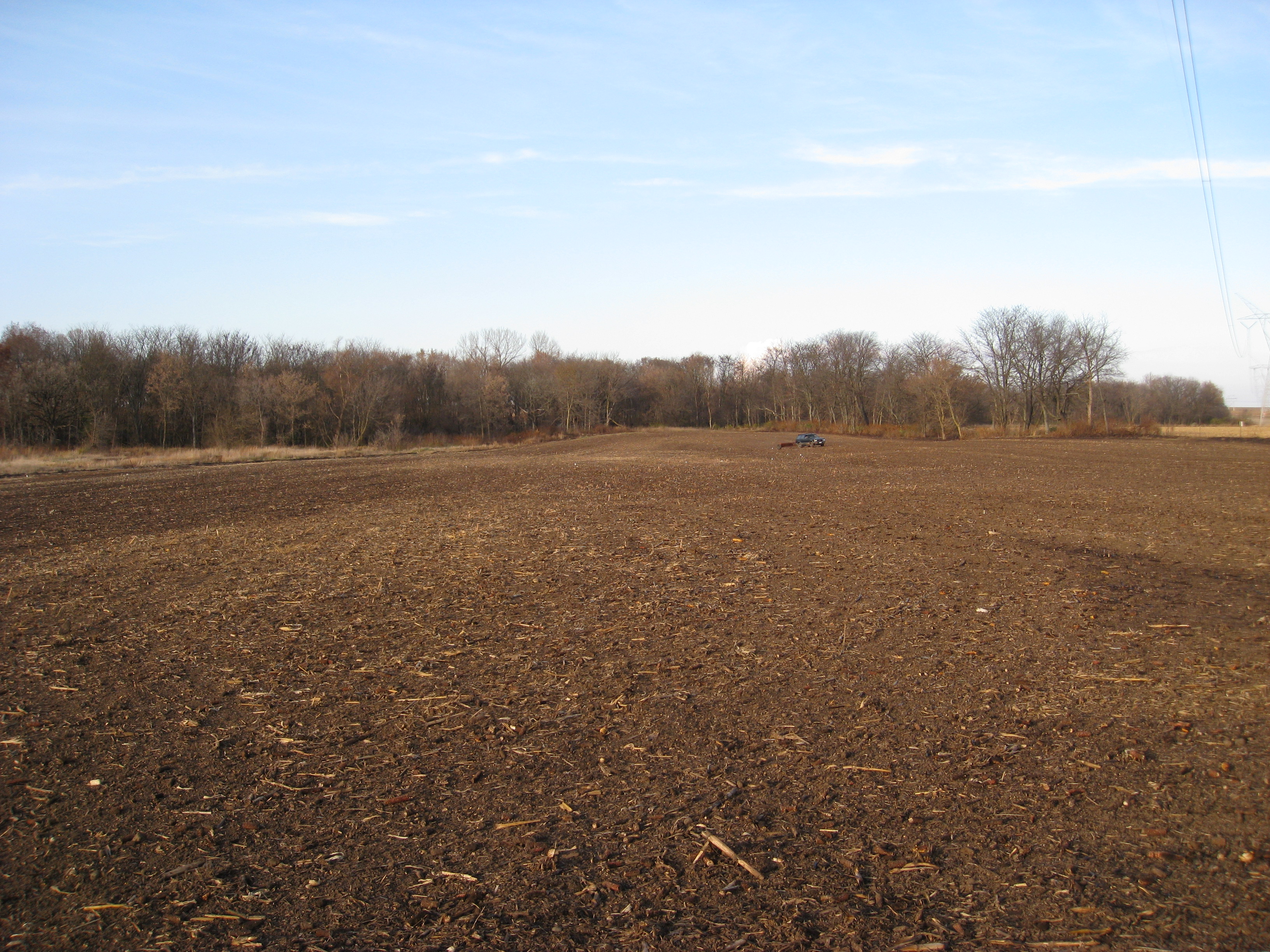
In 2008, the conversion of 6.25 acres of cornfield into reconstructed prairie began in the Clear Creek Knolls East Unit of Nachusa Grasslands. The acreage offered the opportunity to collect and plant seed suitable for three different habitats all in one planting.
During the 2008 growing season, 225 pounds of bulk seed of 176 species were collected to plant in the unit. This is uncleaned seed where seed weight is perhaps 40% of bulk weight and 60% is chaff. The seeds were processed and combined into dry-mesic, mesic, and wet-mesic mixes. The average per acre seed bulk weight was 36 pounds of seed. A complete list of the species collected and planted was kept at the time.
How the field was planted:
After the corn was harvested in 2008, the stubble was burned and the field was harrowed. The seed mixes were planted in late November using a New Idea Drop Seeder. Multiple passes were made to facilitate even distribution of the seeds. The dry/mesic, mesic, and wet/mesic mixes were planted according to the soil type and relative topography in different parts of the field. No carrier was used with the seed.
Stewards also collected additional seed during the growing seasons of 2009 and 2010 for overseeding the planting. Another 99.5 pounds of seed were overseeded by hand into the acreage in areas where native growth seemed particularly sparse. Additional species were also added in the overseeding mixes bringing the species total up to 192.
Fire and weed management for 15 years:
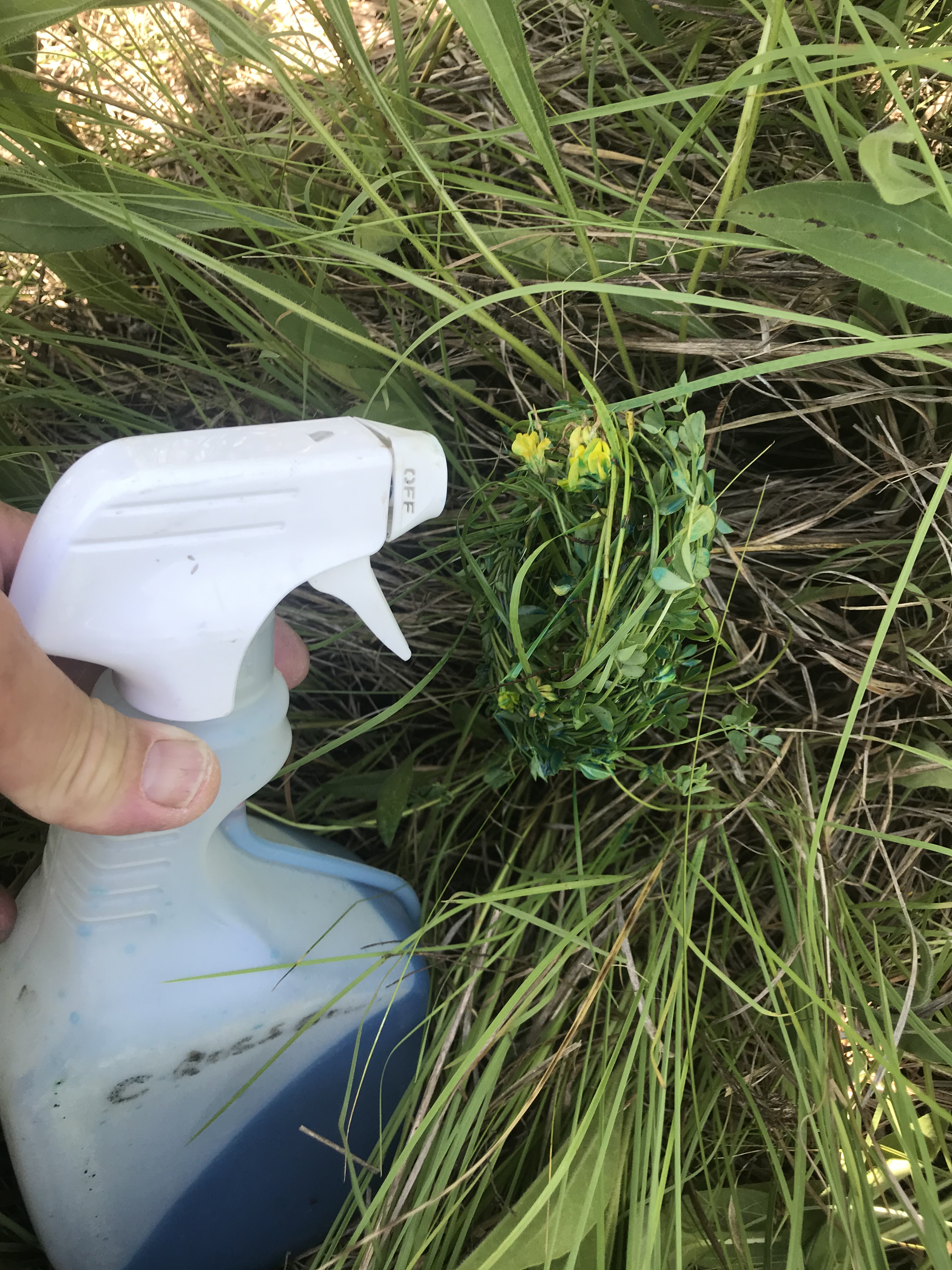
Since the last overseeding was completed in 2010, prescribed fire has run through the unit approximately every other year primarily because the planting is a subset of a larger management unit. Additionally, there has been consistent surveillance and control of the relatively modest populations of birdsfoot trefoil (Lotus corniculatus), white sweet clover (Melilotus albus),and reed canary grass (Phalaris arundinacea). The populations of all three of these weed species have declined but still require surveillance and control.
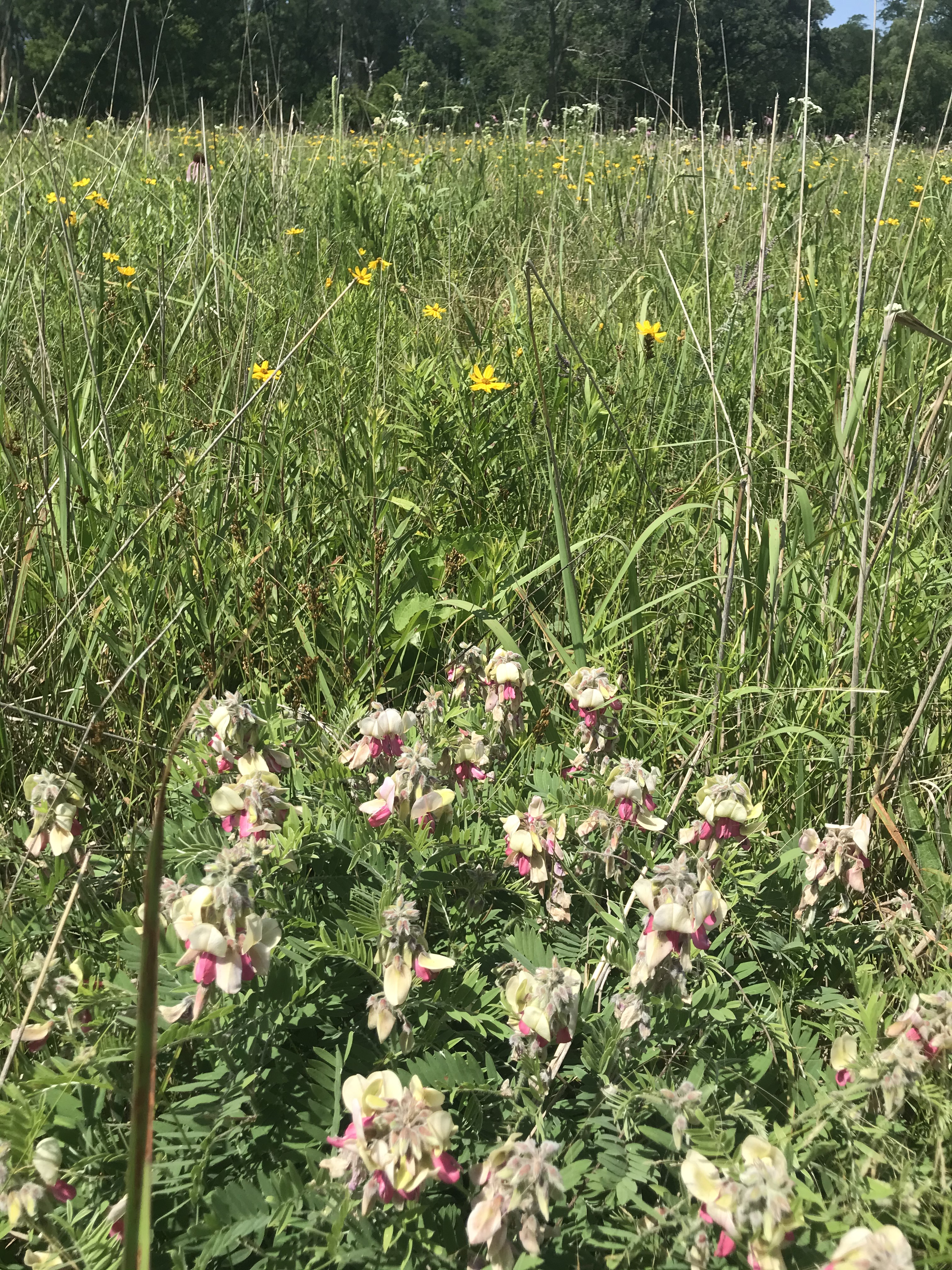
So…What’s Growing in the Planting 15 Years Later????
The planting was visited 15 times beginning in April and ending in late October, 2025. During each visit, each new species observed was recorded.
Here are a few observations:
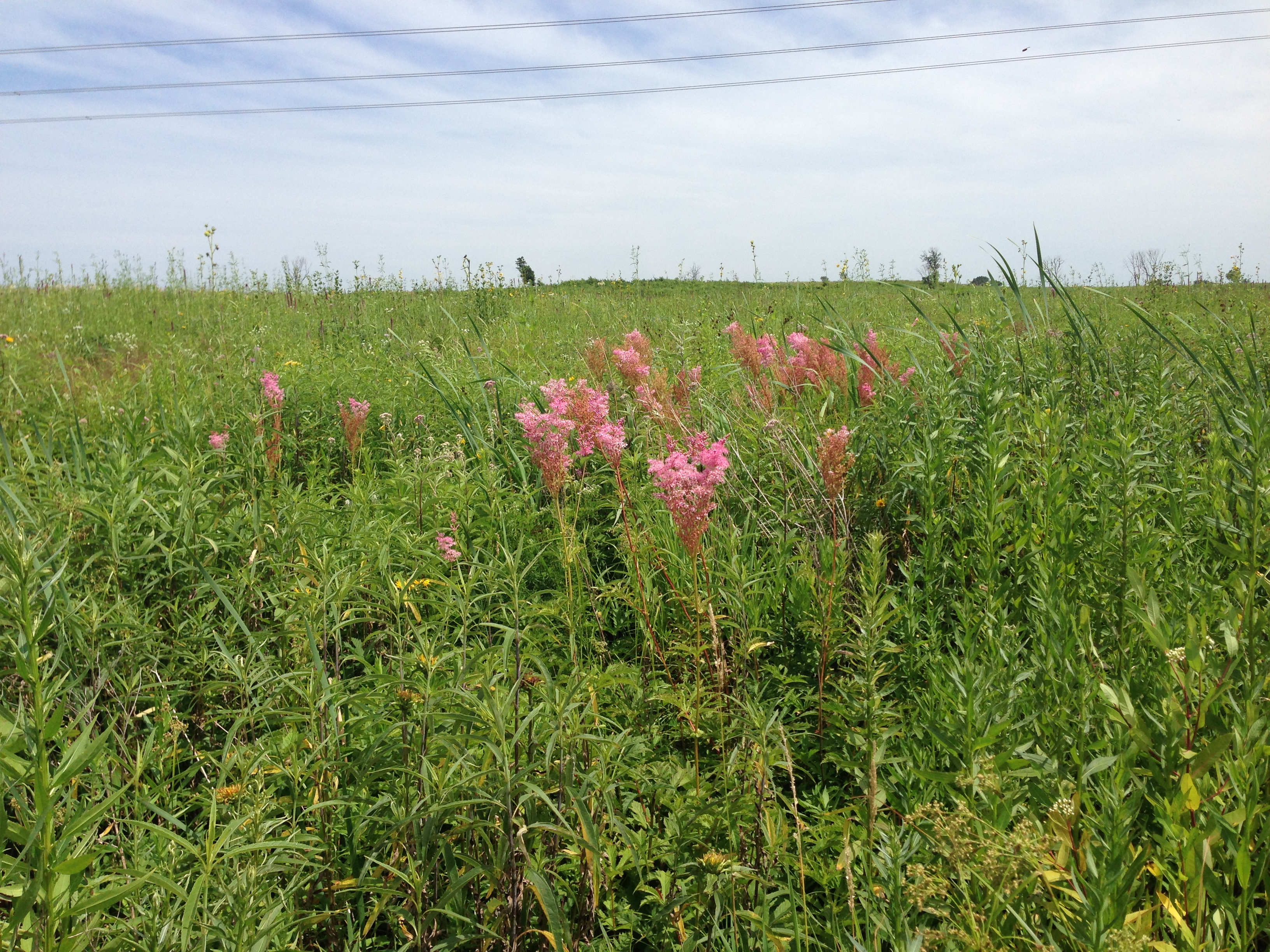
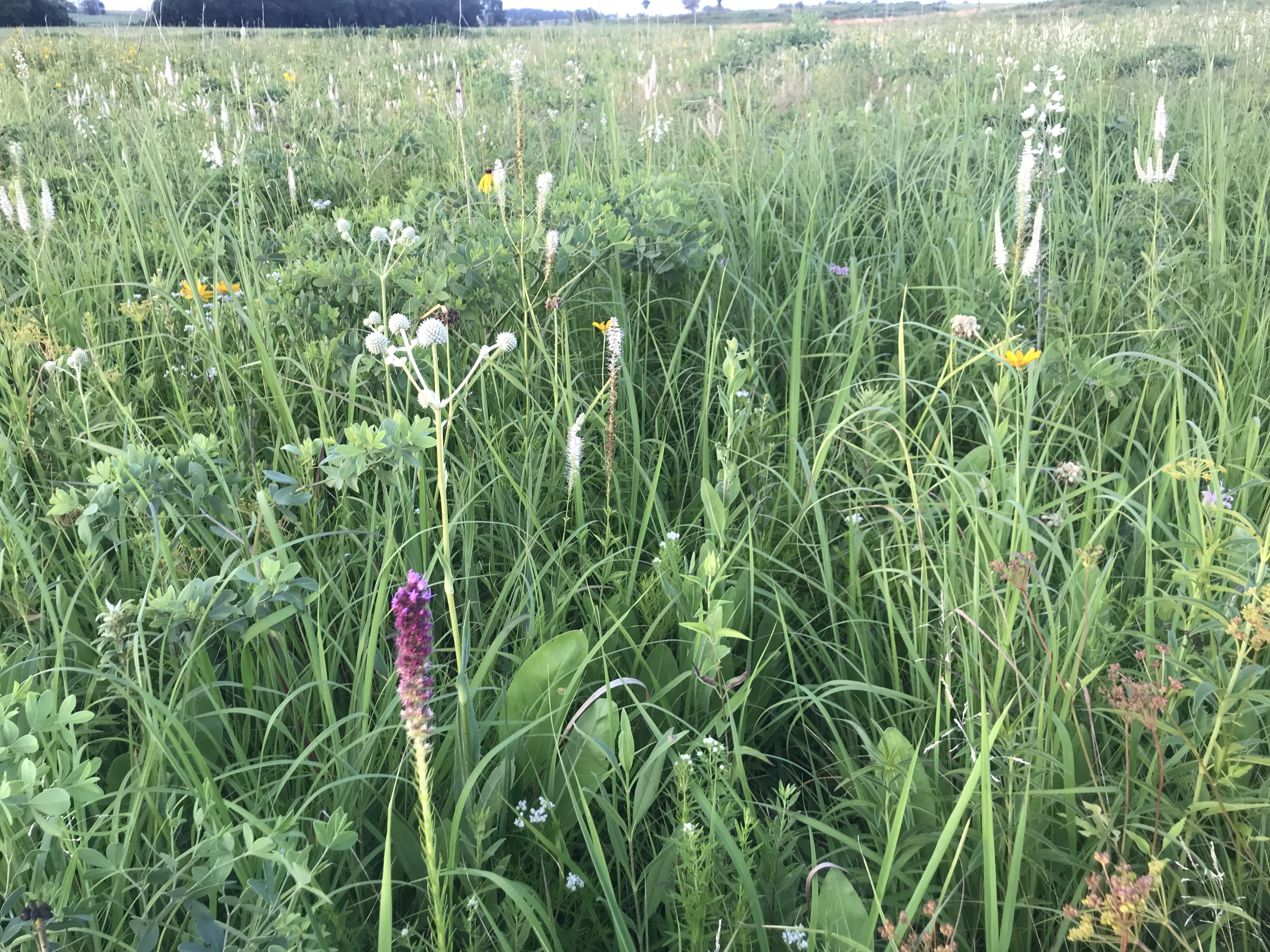
- 134, or 70% of the 192 species in the 2008-2010 seed mixes were found in the planting during 2025.
- There were 30 native species found in the planting that were not knowingly included in the original seed mix.
- There were 7 non-native species found in small scattered populations.
- The C-values (coefficients of conservatism) of the native species found in 2025 range from 0 (least conservative) to 10 (most conservative). Of those species planted in 2008-2010 and found growing in 2025, 57 or 43% of the species have high C-values (8, 9, or 10).
- The National Wetland Categories – Upland (UPL), Facultative Upland (FACU), Facultative (FAC), Facultative Wet (FACW), and Obligate (OBL) – provide insight into the habitat preference of a species:
64% of the planted UPL species were found.
84% of the planted FACU species were found.
84% of the planted FAC species were found.
64% of the planted FACW species were found.
53% of the planted OBL species were found.
- One of the least successful genera in the planting was Carex; out of 8 species planted, only 3 were found in 2025. (This was a surprise given the quantity of seed collected and dispersed.)
- Thirteen (43%) of the 30 native species not knowingly planted are rated FACU; 5 (16%) species are rated UPL; 5 (16%) species are rated FACW; 4 (13%) species are rated FAC; 3 (10%) species are rated OBL.
Read the entire report here on our Friends of Nachusa Grasslands site at: https://www.nachusagrasslands.org/uploads/5/8/4/6/58466593/dropseed_north_15_years_later.pdf
In the report I ponder what happened to the 30% of species we did not find. You will also find the seed list I refer to where the species found are noted.
People have asked me whether the time we have spent and the work we have done at Nachusa over the last 27 years has been “worth it”. This 15 year “revisit” helped me answer that question. I think Aldo Leopold’s words again seem most fitting in this context: “Acts of creation are ordinarily reserved for gods or poets, but humbler folk may circumvent this restriction if they know how.” Yes, it has been worth it.


 grassland restoration network
Would you consider publishing these impressive findings in Ecological Restoration journal? I’m Managing Editor and could offer some guidance if you’re interested. Email me at ERjournal@uwpress.wisc.edu. David Robertson