
Mike Saxton – Manager of Ecological Restoration and Land Stewardship – Shaw Nature Reserve – Gray Summit, MO
Stump grinders are one of those tools that you don’t use often and when you do use one…you sometimes have to re-learn your technique if it’s been a couple years since you operated last. If you use them so infrequently, perhaps it’s best to rent or barrow. There are a lot of different models out there and most have a big spinning disk with replaceable teeth. You can picture it.
As part of a 120 acre prairie establishment / logging project, we have ground thousands and thousands of stumps using a Kubota SVL track loader and a Fecon StumpEx stump grinder. I outlined that project in a previous GRN blog post
Fecon StumpEx – 1,368 lbs, bit diameter is 32″, requires 20-42 gallons per minute high flow
Kubota SVL loader – we were running the StumpEx on an SVL-90-2 for a couple years. High flow GPM = 36. We are now running it on a new Kubota SVL-97 with a high flow GPM = 40. So we are at the upper end of the StumpEx flow requirements.
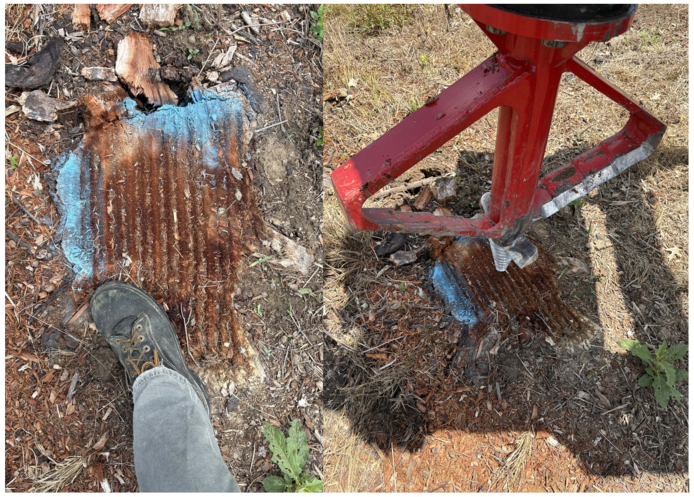
The above stump took about 1 minute to grind below grade. It was roughly 15in diameter and 3in tall.
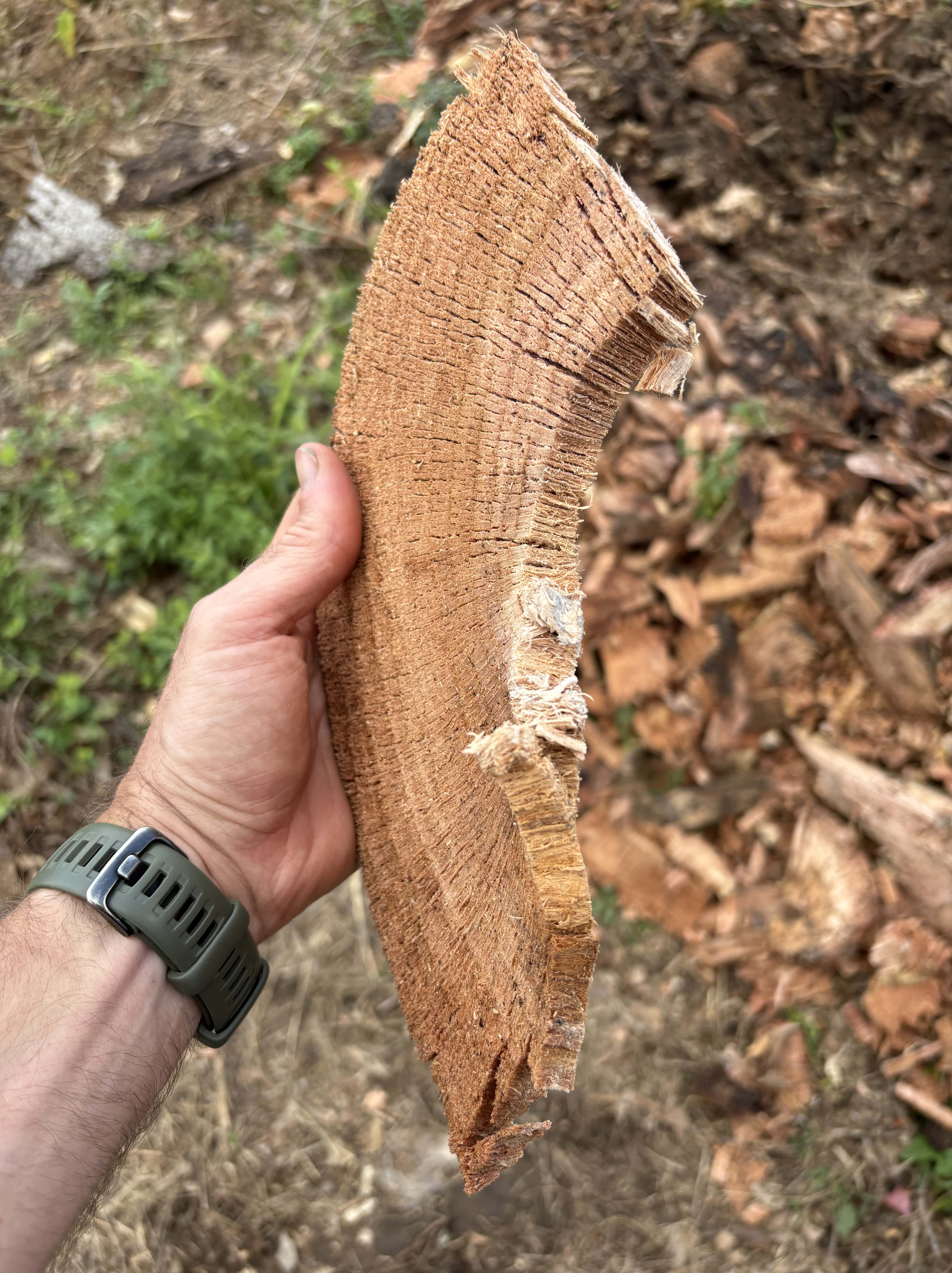
A well-conditioned cutting tooth will peel off large chunks of stump – 3/4in thick in this picture.
New purchase price was $21,000. I’m told the hydraulic pump is $12K to replace. The spiral cone is $1K to replace. And we just found out that the cutting bit is $8K to replace.
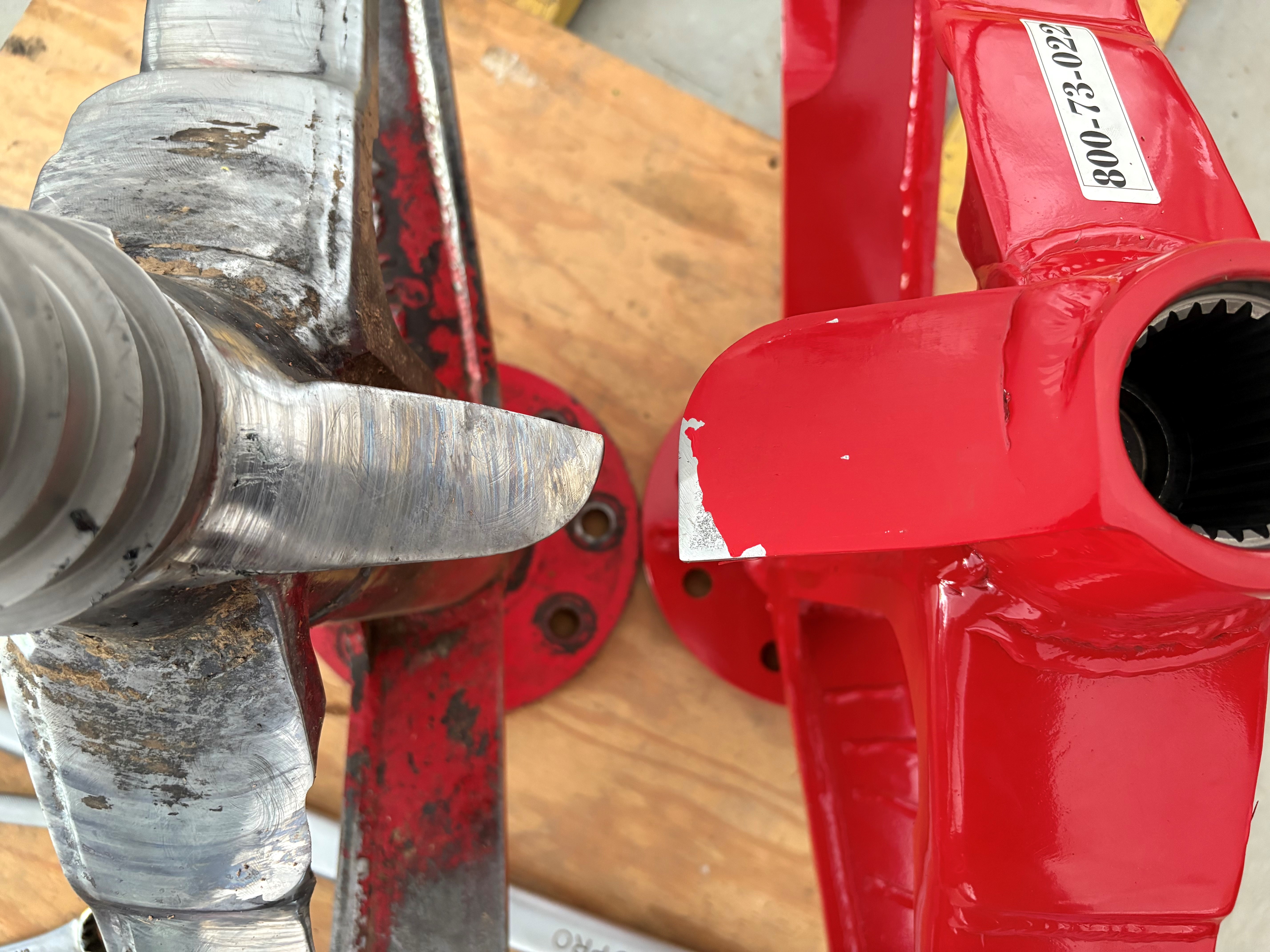
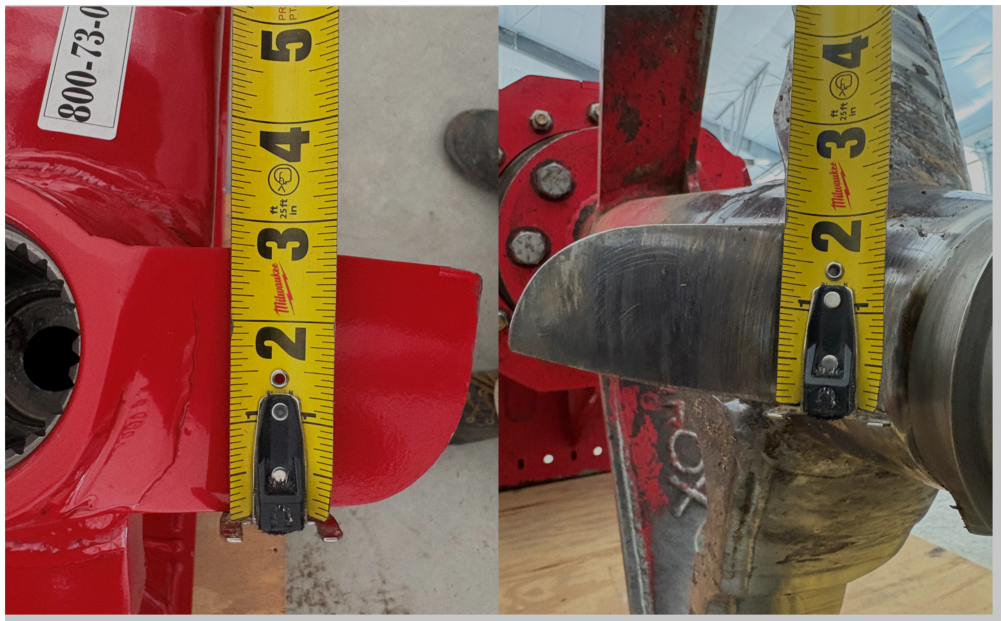
After many thousands of cedar, oak, and ash stumps, we had lost a lot of material both from wear and from conditioning (I hesitate to call it “sharpening” because you don’t want a sharp edge). We had a weld break and while it could be repaired, the writing was on the wall. After a few years of use, thousands of stumps and about 90 acres of stumps clear…we had to replace the bit.
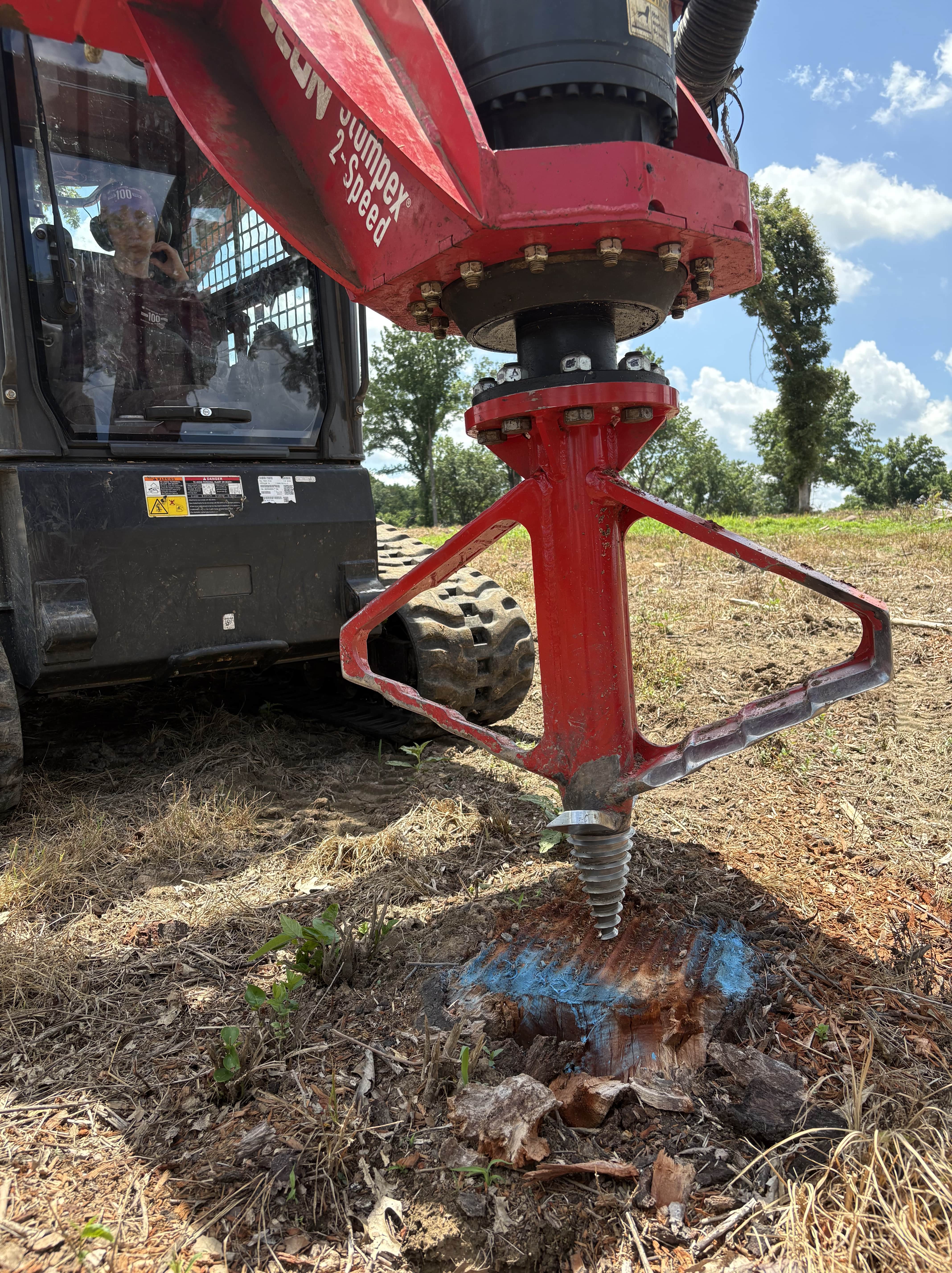
If you grind a few stumps a year, this implement might be overkill. If you remove dozens of stumps each year and will continue to do so for many years, this could be a worth while investment. It’s well built and performs well. Handles large stumps in no time. It is pricey but you get what you pay for with Fecon products.
(yes – we could have dozed or dug out the stumps with an excavator. Thousands of root balls and a pock marked, divoted landscape would have been the result. This was a big commitment but we felt the right choice for the future of this restored prairie.)


 grassland restoration network
This may be a rookie question but why was it necessary to grind the stumps out instead of leaving them to decay naturally if it was not an area that was going to be used for ag or other development? After a few fires wouldn’t they be pretty diminished? Thanks.
A good question! Mostly, the stumps are a hazard to equipment and operators. We drive tractors through the prairies with some frequency, sweeping for and spraying invasive species. Perhaps we have a big patch of sweet clover as Bill Kleiman recently posted about. Mowing can be the right approach for sweet clover. But if your prairie is littered with thousands of stumps, a serious hazard exists if you want to drive a tractor through there. If there are just a few stumps in a 50 acre prairie…no big deal. You likely won’t hit them.
In terms of fire…an intense, fast moving grass fire has a very short residence time. The fire passes over the stumps very quickly and they might not burn up as readily as you might think. Woodland burns with lots of leaf little are a little different. The slow burning leaves can ignite a rotting stump pretty easily.
In addition to invasive species control – when we plant the 40 acres of prairie, we’ll crisscross the area multiple times with UTVs and drop seeders. Hundreds of stumps in the area would make it much more challenging to get even seed sowing coverage.